

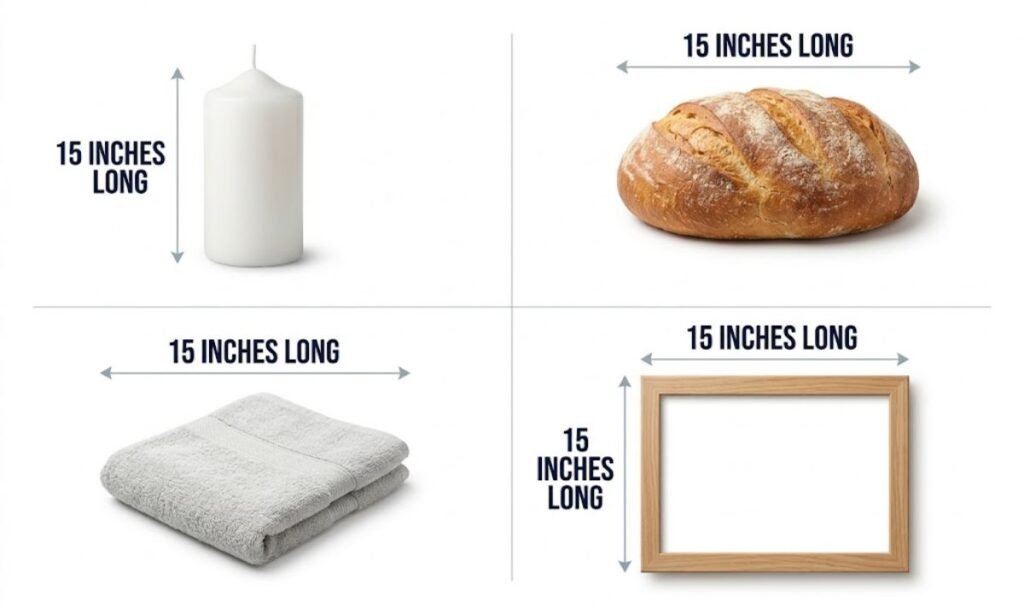
Ever stared at a tape measure and wondered what 15 inches long actually looks like in real life? You’re not alone. Numbers on a ruler rarely mean much until you connect them to something you can picture — a pizza, a laptop, a loaf of bread. 🍕
This guide breaks down exactly how long 15 inches is, converts it into every unit you might need, and walks through 15+ everyday objects that match this measurement almost perfectly.
By the end, you’ll never need to second-guess what something 15 inches long looks like again.
15 Inches in CM 📐
If you’re working with the metric system, converting inches to centimeters is the first step to understanding this measurement.
One inch equals 2.54 cm, so anything 15 inches long translates to exactly 38.1 centimeters. That’s a little over a third of a meter, which makes it easy to visualize if you’re used to metric tools.
This conversion matters a lot for people shopping internationally or following manufacturing specs from different countries.
A product listed as 15 inches long in the US might show up as “38.1 cm” on a European site, and knowing the math instantly clears up any confusion. 🌍
| Unit | Equivalent |
| Centimeters | 38.1 cm |
| Millimeters | 381 mm |
| Meters | 0.381 m |
15 Inches Long in Feet 👣
Feet are another common way to express this measurement, especially in construction, interior design, and DIY projects.
Since one foot equals 12 inches, something 15 inches long works out to 1.25 feet, or one foot and three inches. It’s a handy mental shortcut when you’re measuring shelves, furniture, or wall space.
Builders and designers often round measurements to feet because it’s faster to visualize large-scale spaces that way.
But when precision counts — like fitting a piece of furniture into a tight corner — sticking with inches gives you the accuracy you need. Knowing both conversions means you’re covered no matter which unit a product listing uses. 🛠️
Standard Ruler 🖊️
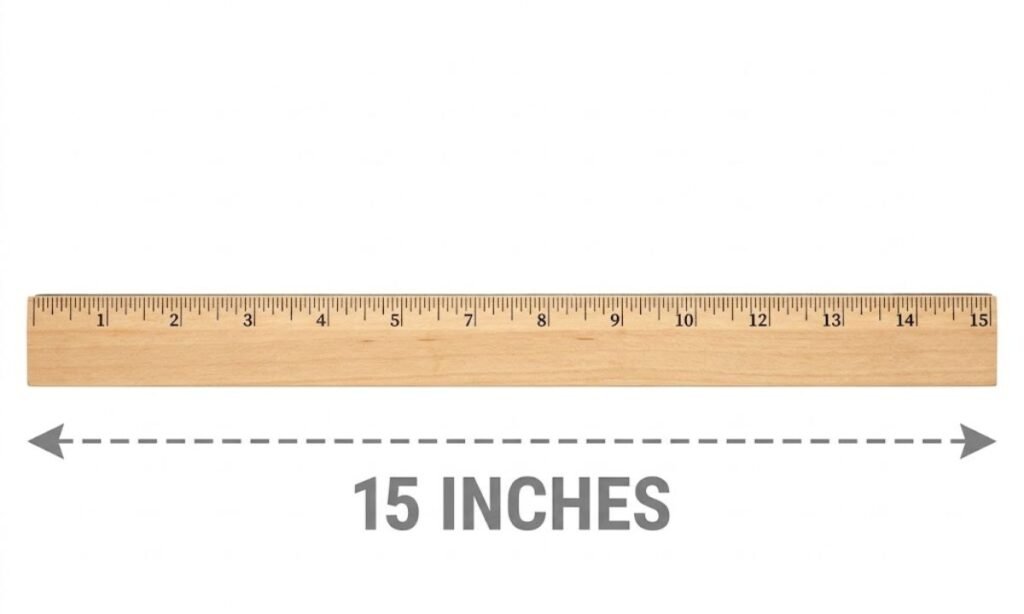
A standard ruler is one of the most familiar references for this measurement, though most classroom rulers actually stop at 12 inches.
However, extended or “shop” rulers commonly extend to 15 inches or more, making them a useful benchmark for visualizing this length. If you’ve ever used a longer ruler for drafting or sewing, you’ve held something close to 15 inches long in your hand.
Rulers are also a great teaching tool because they show measurement in real time. Laying a 15-inch ruler next to any object instantly tells you whether that item matches, exceeds, or falls short of this benchmark.
It’s one of the simplest, most practical ways to build an intuitive sense of scale. 📏
Medium Pizza 🍕
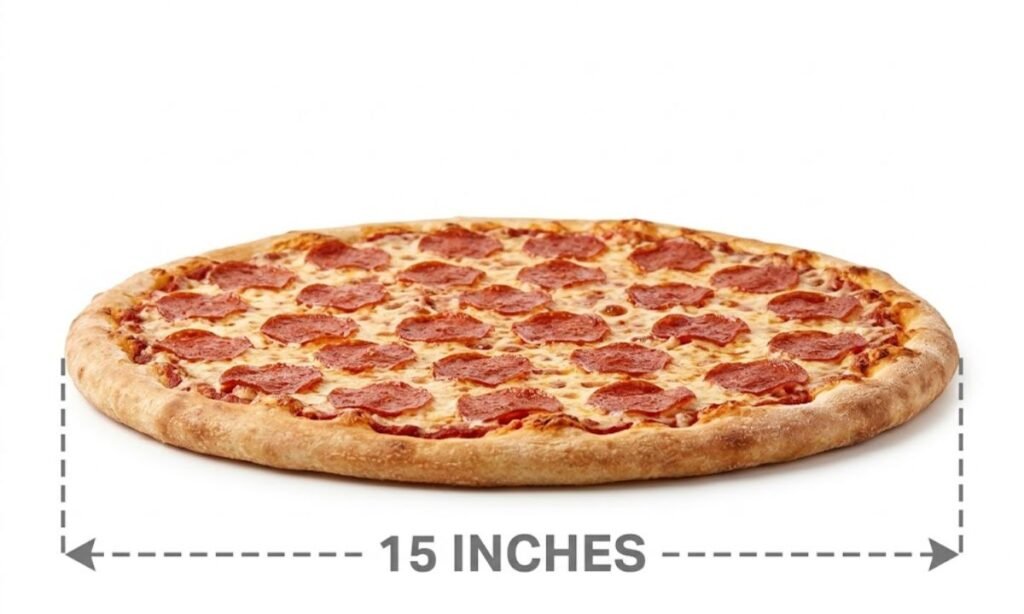
Pizza sizing is one of the most relatable comparisons for this length. A medium pizza typically measures around 12 inches, while many “large” pizzas stretch closer to 14 or 15 inches in diameter.
So next time you order a big pie for a group, you’re essentially holding something 15 inches long across the table.
This comparison works so well because food measurements are something almost everyone has experience with. Picturing a 15-inch pizza box instantly gives you a mental anchor for the size, and it’s far more memorable than just reading a number on a tape measure. 🍽️
Laptop Screen 💻
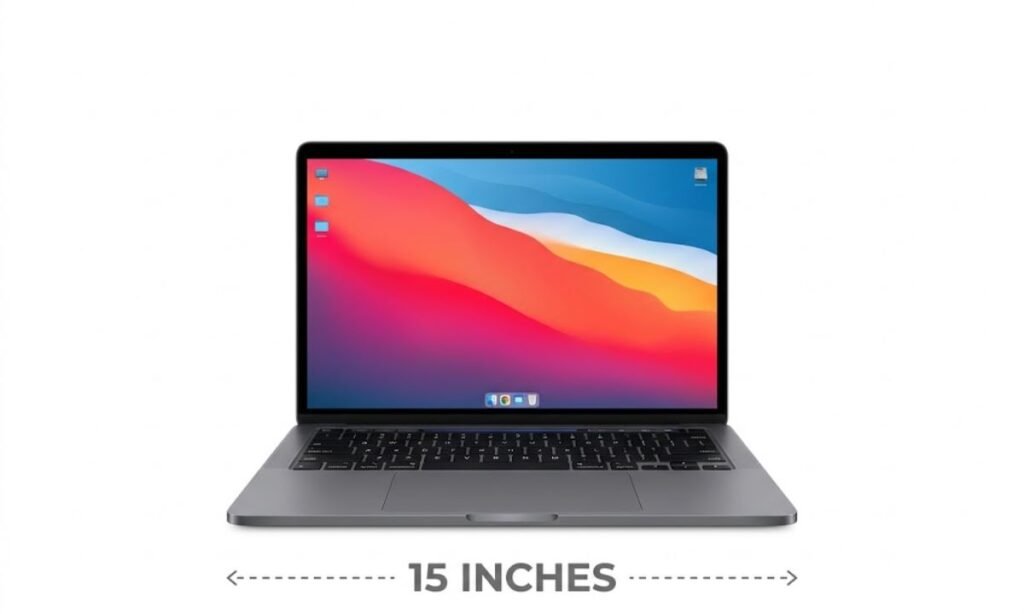
Laptop screens are measured diagonally, and 15-inch models remain one of the most popular sizes on the market.
When a manufacturer advertises a 15 inches long display, they’re referring to the corner-to-corner measurement of the screen, not the width of the entire laptop body.
This is a common point of confusion for shoppers. A 15-inch screen usually sits inside a laptop body that’s roughly 13.5 to 14 inches wide, depending on bezel thickness.
Thinner bezels in newer models mean today’s 15-inch laptops often feel more compact than older versions with the same screen size. 🖥️
Rolling Pin 🥖
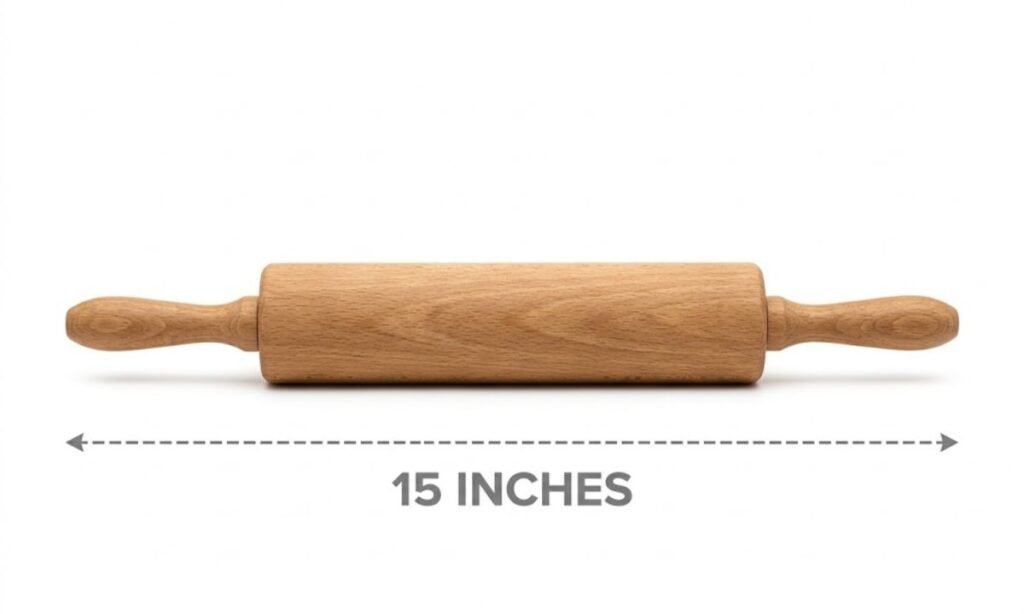
Classic wooden rolling pins used in home kitchens typically measure between 15 and 20 inches in total length, including the handles.
A rolling pin that’s 15 inches long falls right at the shorter end of that range, making it a comfortable size for home bakers working with standard countertop space.
Bakers often prefer this size because it’s long enough to flatten dough evenly without being unwieldy in smaller kitchens.
If you’ve ever rolled out pie crust or cookie dough, there’s a good chance the tool in your hands was close to this exact measurement. 🍪
Guitar Neck 🎸
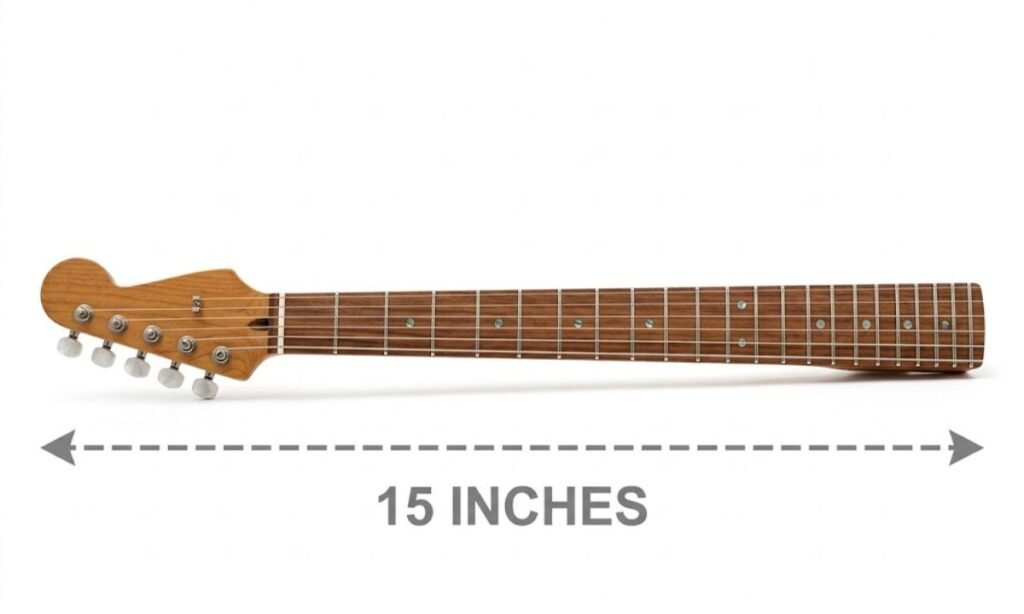
The neck of a standard acoustic or electric guitar, measured from the nut to the body joint, often comes in close to 15 inches long, though this varies by instrument type and scale length.
This measurement affects playability, fret spacing, and how comfortable the guitar feels for different hand sizes.
Musicians and guitar techs pay close attention to neck length because it directly impacts tone and technique. A neck around this size strikes a balance between reach and control, which is part of why so many popular guitar models land in this general range. 🎶
Baseball Bat (Partial Barrel) ⚾
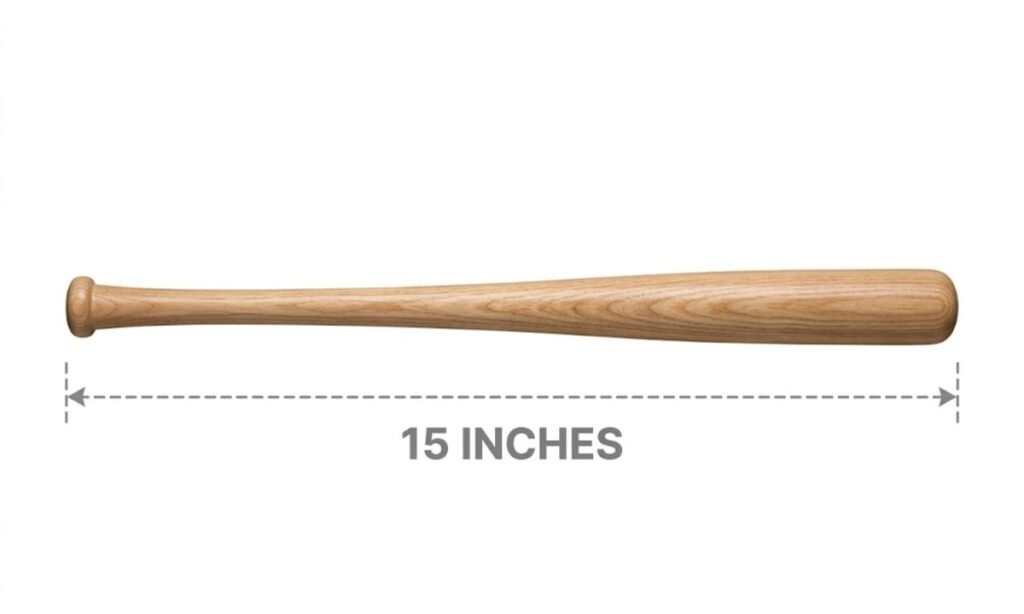
While a full baseball bat runs much longer, the barrel — the thick hitting portion — often measures close to 15 inches long on many youth and adult models. This is the section players focus on most, since it’s where contact with the ball actually happens.
Coaches use barrel length as a key factor when helping players choose the right bat. A barrel that’s roughly this size offers a solid sweet spot without making the bat too heavy or difficult to swing, especially for younger or developing players. 🏟️
Tablet Screen 📱
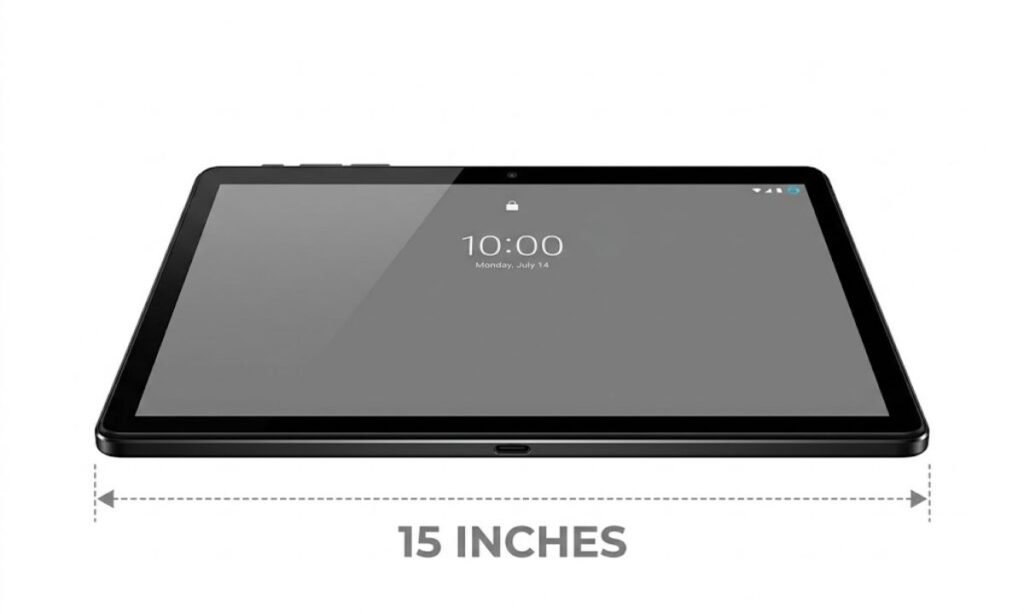
Larger tablets, particularly those designed for drawing, design work, or entertainment, can have screens that stretch close to 15 inches long when measured diagonally.
These oversized tablets sit between traditional tablets and small laptops in terms of size and functionality.
This size range has become increasingly popular among digital artists and professionals who need more screen real estate than a standard tablet but still want portability.
A tablet this size offers a noticeably bigger canvas for detailed work while remaining light enough to carry around. 🎨
Wall Clock 🕐
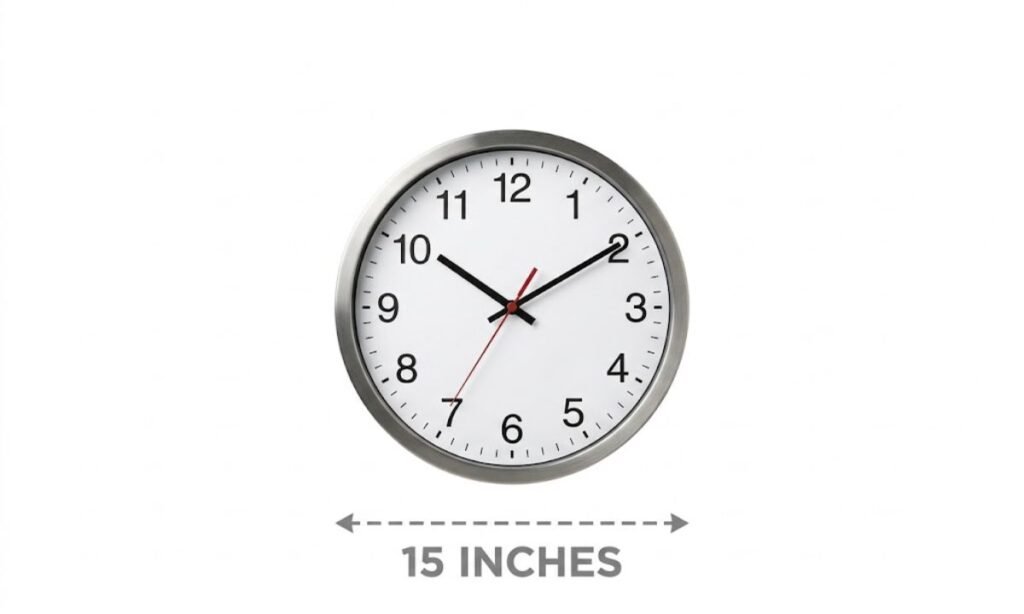
Medium-to-large wall clocks frequently measure around 15 inches long in diameter, making them a popular choice for living rooms, offices, and kitchens. This size is large enough to read from across a room but doesn’t overwhelm smaller wall spaces.
Interior designers often recommend this size range because it creates a noticeable focal point without dominating the room. If you’re shopping for a statement wall clock, one that’s close to 15 inches long typically hits that sweet spot between visibility and proportion. ⏰
Picture Frame 🖼️
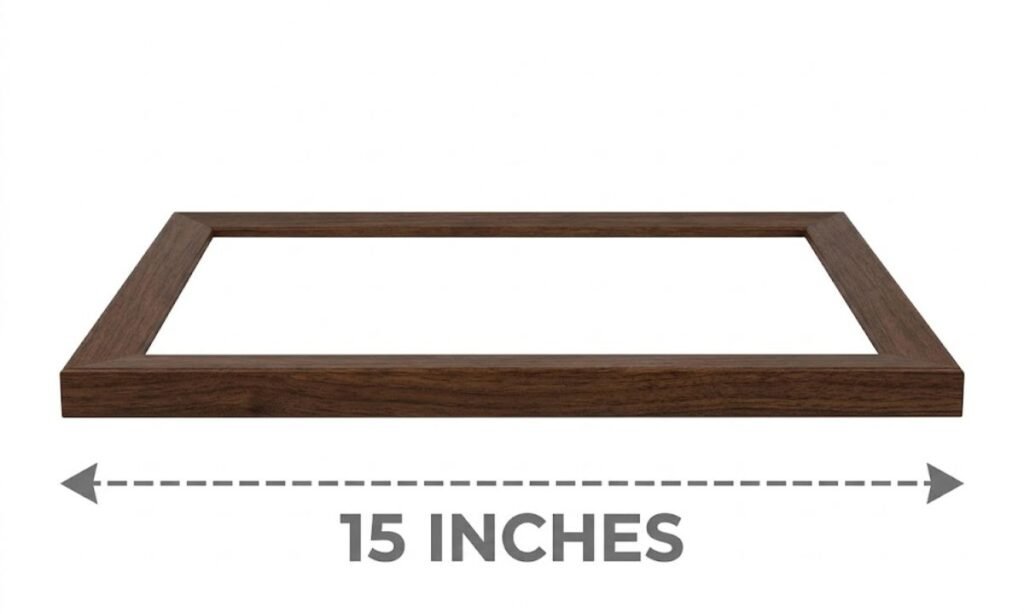
Large decorative picture frames, especially those used for family portraits or framed art prints, commonly measure around 15 inches long on one side. This size accommodates standard print dimensions while still fitting comfortably on most wall galleries or shelves.
Framers often recommend this size for statement pieces because it’s substantial enough to draw the eye without requiring an entire wall to itself. It’s a versatile middle-ground option between small desk frames and oversized gallery pieces. 🎞️
Frying Pan 🍳
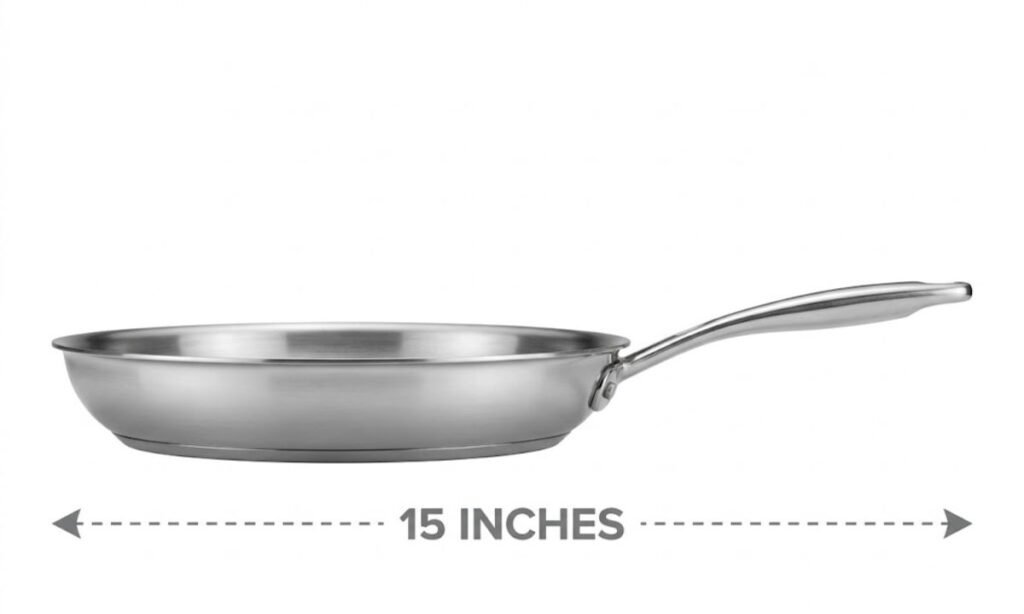
Large frying pans and skillets, especially those designed for family-sized cooking, often measure close to 15 inches long from handle tip to pan edge.
The cooking surface itself is usually smaller, but the full pan length including the handle regularly reaches this range.
Home cooks who batch-cook or prepare meals for larger households often gravitate toward pans this size because they offer more surface area for even cooking. It’s a practical benchmark to keep in mind when measuring cabinet or stovetop space. 🔥
Towel 🧴
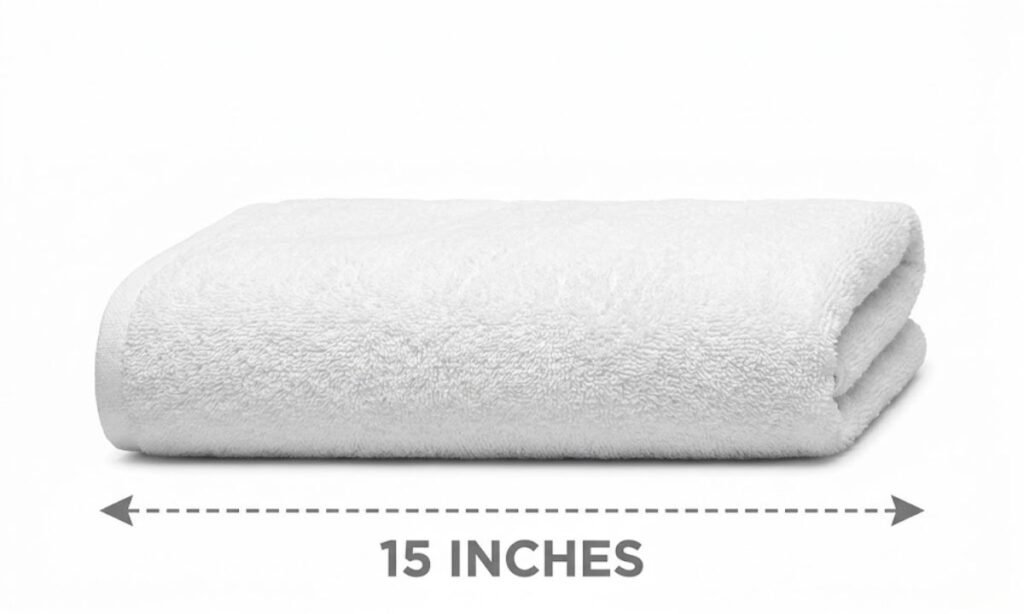
Hand towels and smaller bath towels frequently measure around 15 inches long on their shorter side, making this a common textile dimension in most households. It’s smaller than a full bath towel but larger than a washcloth, filling a useful middle ground.
This size shows up constantly in linen closets because it’s practical for quick cleanups, kitchen use, or guest bathrooms. Manufacturers rely on this dimension often enough that it’s become something of an industry standard for mid-sized towels. 🛁
Pillow 🛏️
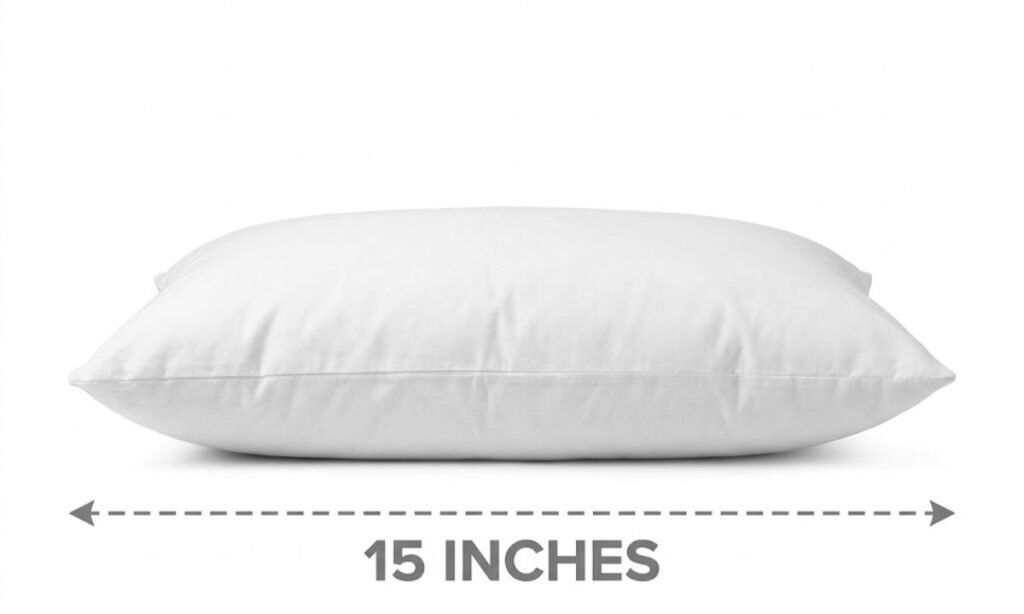
Smaller decorative or lumbar pillows commonly measure close to 15 inches long on one edge, making them popular for accent seating, couches, and reading nooks. This size adds visual interest without overwhelming a larger cushion setup.
Interior stylists often layer pillows of varying sizes, and one measuring around this length is a frequent go-to for creating texture and balance. It’s compact enough for accents but substantial enough to actually provide comfort. 🛋️
Skateboard Deck 🛹
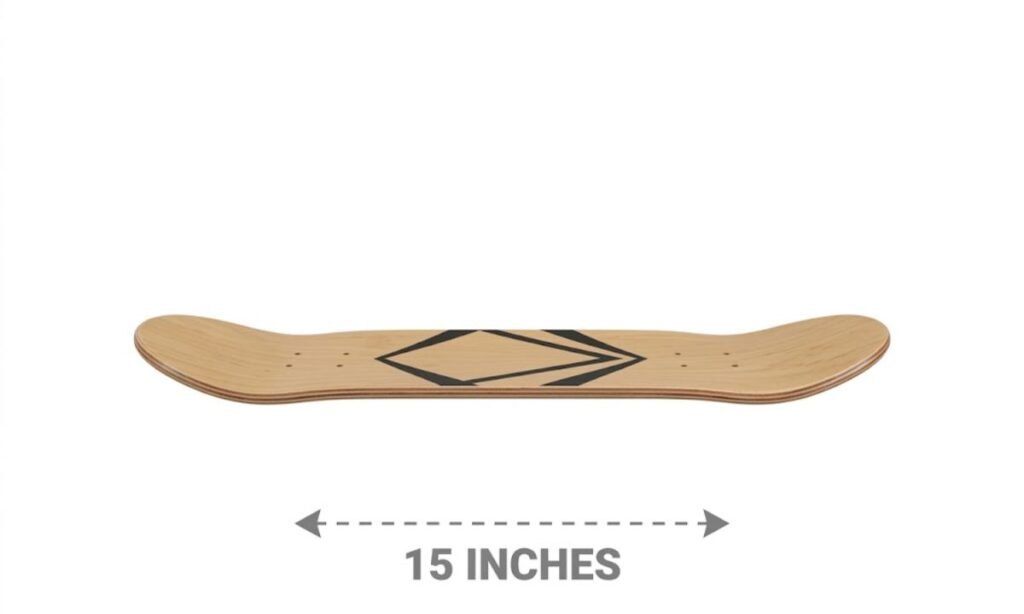
Skateboard decks vary in width, but many standard decks measure close to 15 inches long across, especially wider models built for street or park riding. This width affects stability, control, and how a rider positions their feet.
Skaters often choose deck width based on riding style and shoe size, and a deck close to this measurement tends to suit a wide range of intermediate riders. It’s one of the more universally comfortable sizes in the skating community. 🛼
Bread Loaf 🍞
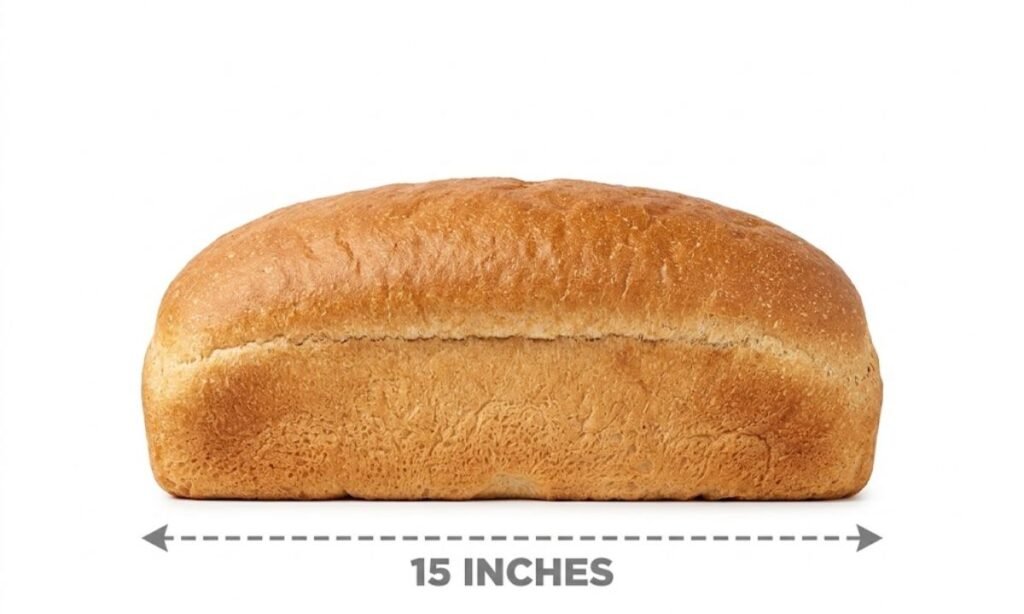
A standard bakery-style bread loaf, particularly artisan or French-style loaves, frequently measures around 15 inches long. This is noticeably longer than a typical sandwich loaf, which is part of why bakery bread often looks so dramatic on the counter.
Home bakers replicating artisan bread recipes often aim for this length because it affects crust texture and slicing size. If you’ve ever bought a fresh baguette-style loaf from a bakery, there’s a strong chance it was close to this exact measurement. 🥐
Candle 🕯️
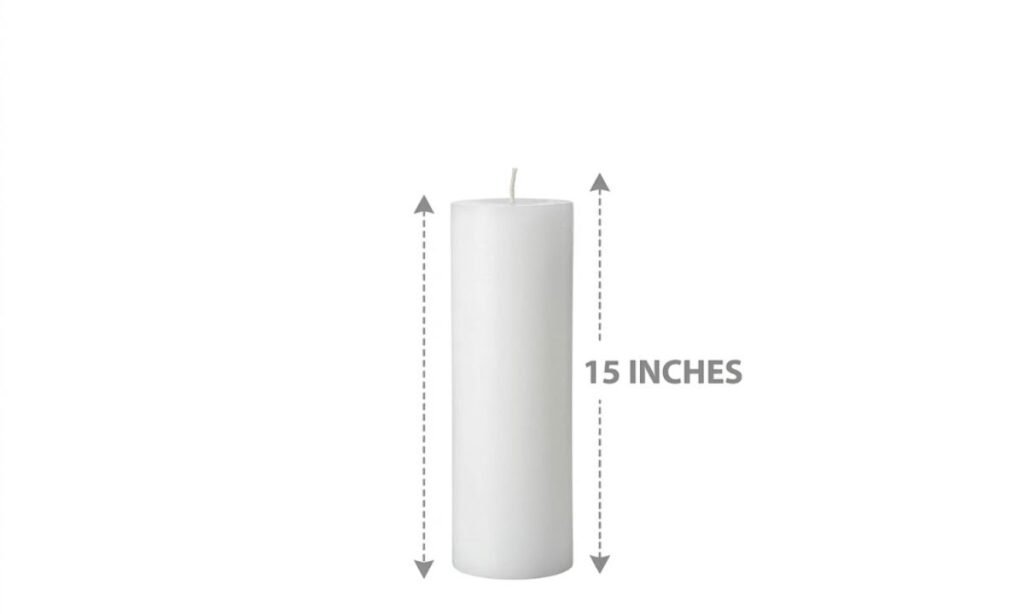
Tall pillar candles and decorative taper candles can measure close to 15 inches long, especially statement pieces used for events, weddings, or formal dinner tables. This height creates a dramatic visual impact compared to standard shorter candles.
Event designers frequently choose candles this size because they create elegant lighting without needing excessive quantities. It’s a popular dimension in candle manufacturing specifically because it photographs and displays so well in tablescapes. ✨
15 Inches Compared to a Human 🧍
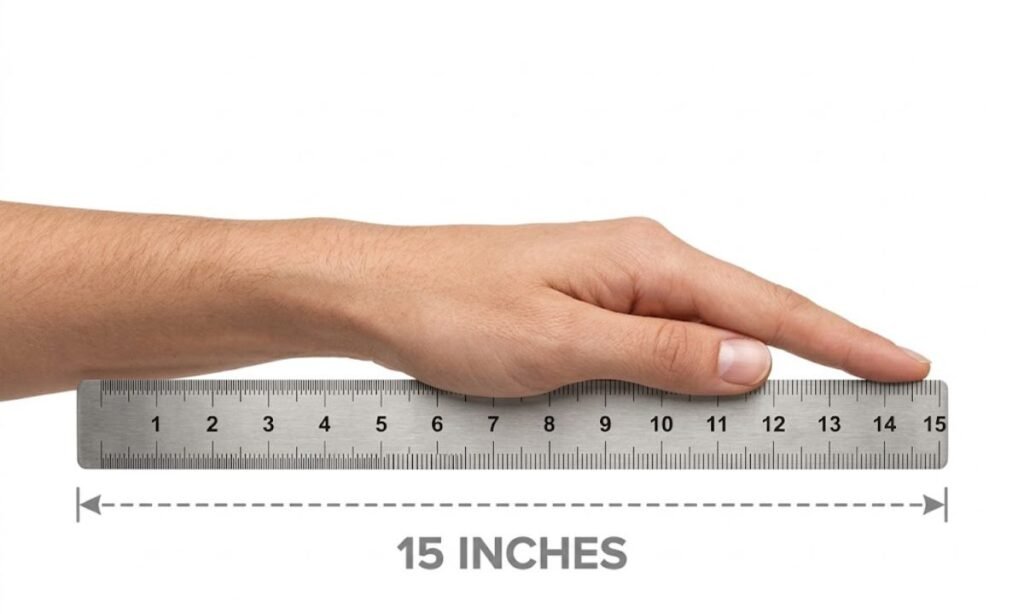
Putting this measurement against the human body makes it even easier to visualize. On average, 15 inches long is roughly:
- The length of a forearm from elbow to wrist, plus a few extra inches 💪
- Slightly longer than the average adult foot 🦶
- About the width of an adult’s shoulders on a smaller frame 🙆
- Close to the length of a newborn baby at birth 👶
These comparisons work well because your own body becomes a built-in measuring tool. Once you know how 15 inches maps onto familiar body parts, you can estimate this length almost anywhere without needing a tape measure. 👍
Conclusion 🎯
Understanding what 15 inches long actually looks like becomes much easier once you connect it to everyday objects you already know.
Whether it’s a laptop screen, a medium pizza, a rolling pin, or a tall candle, this measurement shows up more often than most people realize. 🌟
The next time you’re shopping, cooking, or measuring for a home project, you’ll have a mental library of real-world comparisons to draw from.
That’s the real value of learning a measurement like this — it stops being an abstract number and starts becoming something you can picture instantly. 🙌
Frequently Asked Questions ❓
How many centimeters is 15 inches long?
15 inches long equals exactly 38.1 centimeters. 📐
How many feet is 15 inches?
15 inches converts to 1.25 feet, or one foot and three inches. 👣
What household items are 15 inches long?
Common examples include laptop screens, medium-to-large pizzas, wall clocks, and rolling pins. 🏠
Is a 15-inch laptop screen measured diagonally?
Yes, laptop screens are always measured diagonally from corner to corner. 💻
How does 15 inches compare to a ruler?
It’s slightly longer than a standard 12-inch classroom ruler but shorter than a 2-foot yardstick. 📏
Is 15 inches a common size for pillows?
Yes, many decorative and lumbar pillows measure close to 15 inches on one side. 🛋️
