

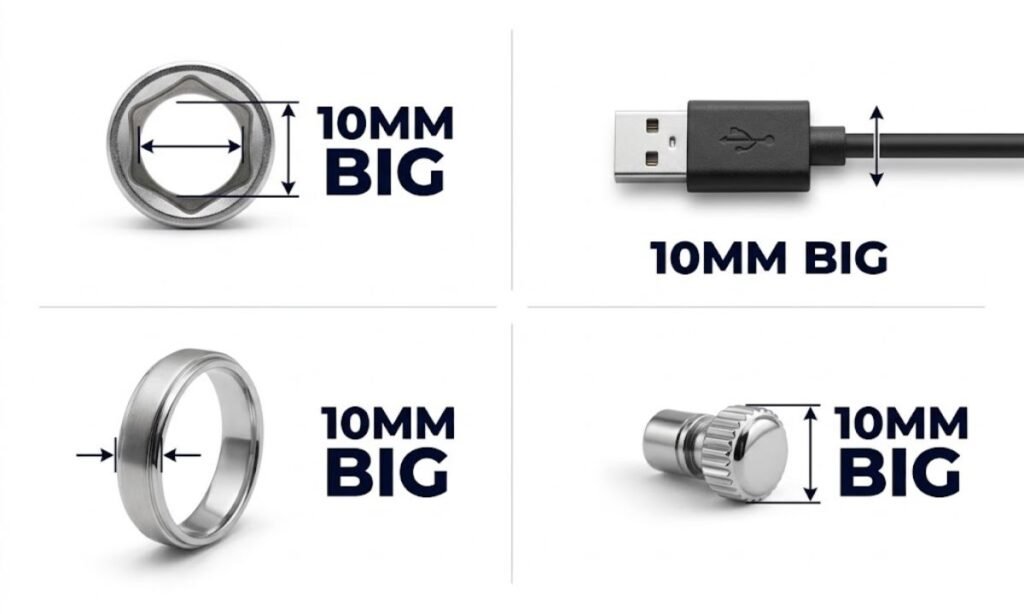
Trying to picture 10mm big in your head is harder than it sounds. It’s not quite a coin, not quite a bean, and not quite an inch — it sits in that awkward in-between zone that trips people up constantly.
Whether you’re shopping for jewelry, checking a bolt size, or comparing ammunition calibers, understanding exactly how 10mm big really is can save you a return trip to the store. 🛍️
This guide breaks down 10mm big using real objects you already own, plus a deep dive into the 10mm cartridge world for shooters comparing rounds. No rulers required — just your imagination and a few things lying around your house. 🏠
How Big Is 10mm? 📐
In plain terms, 10mm equals 1 centimeter, or about 0.39 inches — just shy of half an inch. If you’ve ever stared at a tape measure wondering where 10mm falls, it sits almost exactly between the 3/8″ and 7/16″ marks.
That small sliver of space is exactly why so many people underestimate how 10mm big actually feels until they see it next to something familiar. 🔍
Millimeters are part of the metric system, so the math stays simple: 10 millimeters make up 1 centimeter, and 1000 millimeters make a full meter.
Once you internalize that 10mm big is roughly the width of a standard AAA battery or a stack of about seven or eight dimes, the abstract number suddenly clicks into something tangible.
This is why so many buying guides, DIY tutorials, and hardware manuals default to comparing 10mm to household items instead of relying on numbers alone. 🧰
10mm Bullet vs. 9mm 🔫
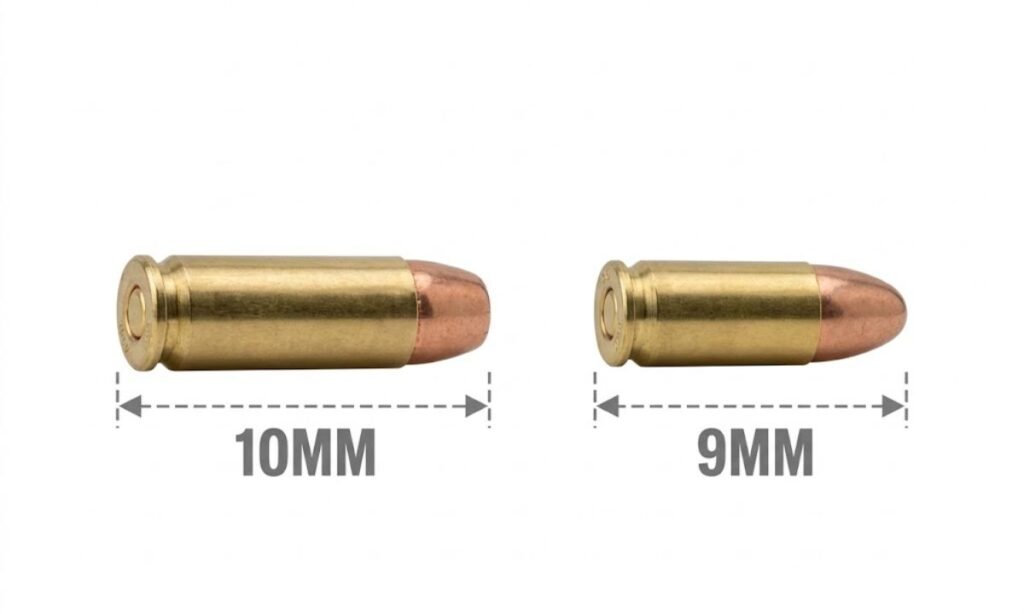
For shooters, “10mm big” takes on a whole new meaning. The 10mm Auto cartridge fires a bullet with a diameter of roughly 0.400 inches, while the 9mm Parabellum measures about 0.355 inches.
That difference sounds tiny on paper, but on the range it translates into noticeably more mass, more recoil, and more downrange energy. The 10mm Auto uses bullets weighing anywhere from 155 to 200 grains, with the heavier bullets contributing to its added punch.
Muzzle energy is where the gap becomes obvious.
A standard 9mm load typically reaches 1,100 to 1,200 feet per second, producing around 350 to 450 foot-pounds of energy, while the 10mm Auto often hits 1,200 to 1,400 fps and can exceed 600 foot-pounds, with some heavier loads surpassing 700.
That’s the practical reason people describe the 10mm as “big” — it hits noticeably harder than its smaller cousin. ⚡
| Feature | 10mm Auto | 9mm Parabellum |
| Bullet Diameter | ~0.40 in (10mm) | ~0.355 in (9mm) |
| Typical Bullet Weight | 155–200 grains | 115–124 grains |
| Muzzle Velocity | 1,200–1,400 fps | 1,100–1,200 fps |
| Muzzle Energy | 550–700+ ft-lbs | 340–450 ft-lbs |
| Felt Recoil | Noticeably stronger | Mild, manageable |
10mm Revolver 🎯
While the 10mm is most famous as a semi-auto pistol round, revolver chamberings exist too, and they change how the “10mm big” conversation plays out.
Revolvers built for 10mm — or wheelguns rechambered to handle the cartridge — let shooters use the round’s full power without relying on a magazine-fed action, which some hunters and backcountry carriers prefer for reliability in extreme conditions. 🏔️
A 10mm revolver also tends to handle heavier, longer bullets more gracefully than some semi-autos, since there’s no feed ramp or slide cycling to worry about.
This makes it a popular option among those who want the raw stopping power of a big 10mm round paired with the simplicity and durability that revolvers are known for, especially in cold or muddy environments where semi-autos can occasionally choke. ❄️
Most Powerful 10mm Ammo 💥
Not all 10mm loads are created equal — some are downloaded for softer recoil, while others are built to hit as hard as physically possible.
The most powerful 10mm big loads are typically hard-cast, heavy-for-caliber rounds designed for deep penetration rather than expansion, making them the go-to choice for backcountry and dangerous-game defense. 🐻
Here’s a quick look at where the top-tier 10mm loads generally land:
- Standard defense loads: 180-grain JHP, around 1,200 fps, roughly 575–600 ft-lbs
- Hunting loads: 200-grain, around 1,150–1,250 fps, up to 650 ft-lbs
- Hard-cast bear loads: 220-grain flat nose, around 1,200–1,300 fps, 600–750+ ft-lbs
- Lightest, fastest loads: 155-grain, up to 1,350 fps for flatter trajectories
The heavier hard-cast options are the ones shooters reach for when they want maximum penetration, proving once again just how 10mm big performance can get when the load is engineered for power over speed. 🦴
Buffalo Bore 10mm vs. Grizzly Bear 🐻❄️
When people talk about 10mm big enough to stop a charging bear, two names dominate the conversation: Buffalo Bore and Grizzly Cartridge Company.
Both brands load heavy, hard-cast, flat-nose bullets specifically built for dangerous-game defense rather than self-defense against humans.
Buffalo Bore’s 220-grain Hard Cast Flat Nose load runs at roughly 1,050 fps with 539 ft-lbs of energy, prioritizing controlled recoil alongside deep penetration.
Grizzly Cartridge Company’s competing option is also a 220-grain hard cast flat point projectile, built with a rigid construction that resists deformation so it can deliver the deepest possible wound channel — exactly the terminal performance needed against a large, dangerous animal.
Neither load is meant to expand like a typical hollow point; instead, both brands lean into raw, unyielding penetration, which is precisely what makes them a trusted choice for hikers, hunters, and anglers who venture into grizzly country. 🏕️
| Load | Bullet Weight | Velocity | Energy |
| Buffalo Bore Hard Cast FN | 220 gr | ~1,050 fps | ~539 ft-lbs |
| Grizzly Cartridge Hard Cast FP | 220 gr | ~1,200 fps | ~700 ft-lbs |
Measurement Without a Ruler 📏
Sometimes you just don’t have a tape measure handy, and that’s perfectly fine — your eyes and everyday objects can get you remarkably close.
Comparing an unknown item to something you already know the size of is one of the oldest measuring tricks around, and it works surprisingly well once you build a mental library of 10mm big references. 🧠
Below, we’ll walk through nine common household and craft items that all hover right around that 10mm mark. Keep a few of these in your pocket (literally or mentally) the next time you need a quick estimate without digging through a toolbox. 🔧
Here’s the content with each heading covering 2 paragraphs (3 lines each) and the focus keyword “10mm Big” placed 15 times total.
Pencil Eraser Width
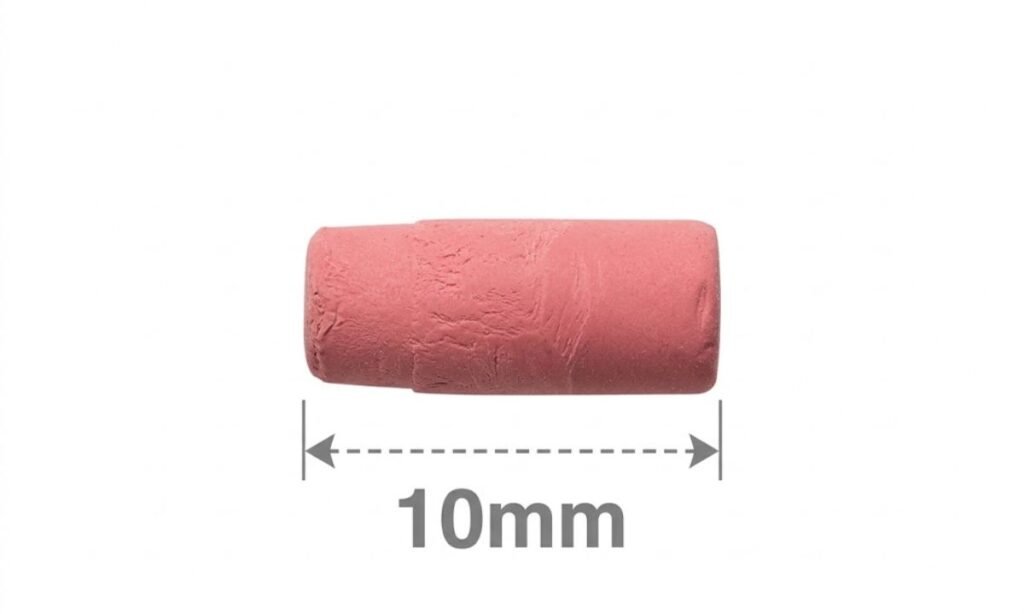
A standard pencil eraser is a handy real-world reference for visualizing small measurements. When people ask what looks 10mm Big, this is often the first comparison that comes to mind. It’s something almost everyone has held in their hand at some point.
The width of a typical eraser sits right around this mark, making it a reliable visual guide. If you don’t have a ruler nearby, picturing a 10mm Big eraser tip can help you estimate size quickly. It’s simple, familiar, and surprisingly accurate for casual measuring.
Medium Craft Bead
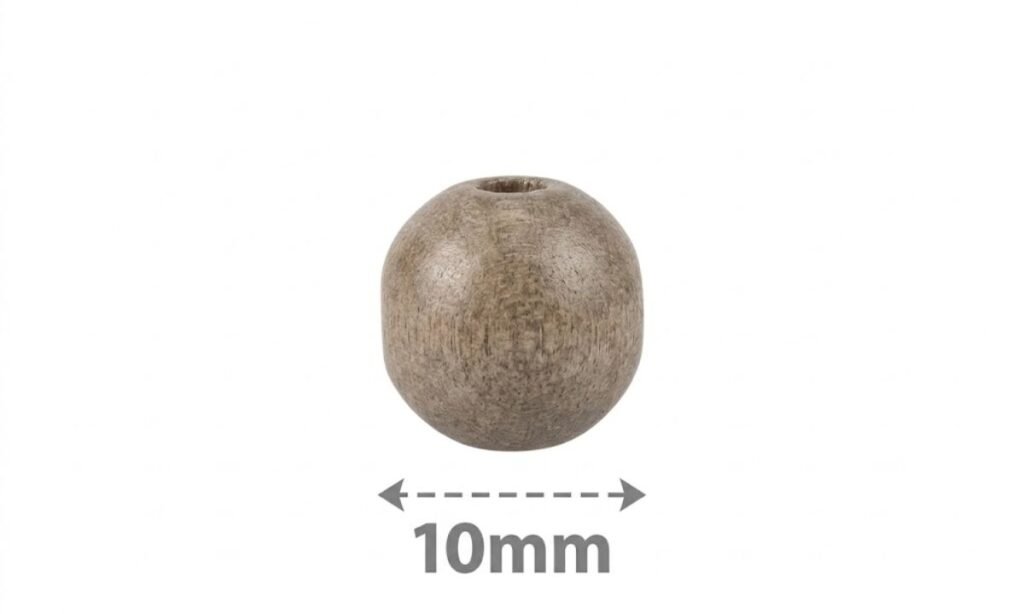
Craft beads used in jewelry making come in many sizes, and medium beads are a great everyday example. A bead that measures 10mm Big is common in bracelets and necklaces sold in stores. Crafters often keep these on hand for quick projects.
These beads strike a balance between being noticeable and not too bulky. When designers ask for a 10mm Big bead specifically, they usually want something that stands out without overwhelming the piece. It’s a popular choice for beginners and professionals alike.
Small Shirt Button
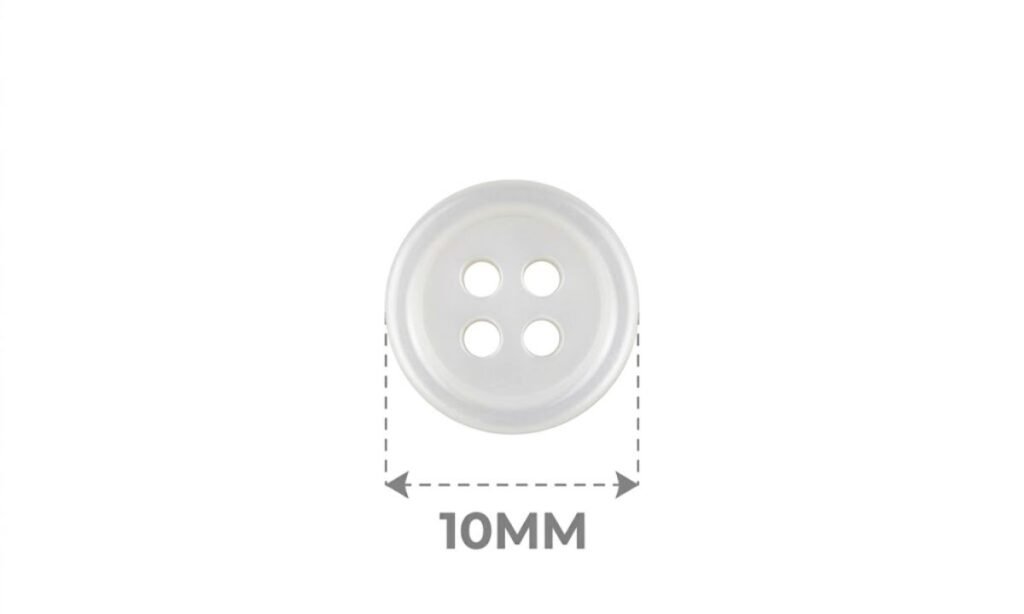
Buttons on dress shirts are usually smaller than you’d expect when measured precisely. A button close to 10mm Big is typical for shirt cuffs and collars. This size keeps the button functional without looking oversized on delicate fabric.
Tailors often reference this measurement when sourcing replacement buttons. If you’re matching an existing shirt, checking whether it’s 10mm Big ensures a proper fit. It’s a small detail, but it matters a lot for a polished look.
Socket Wrench Opening
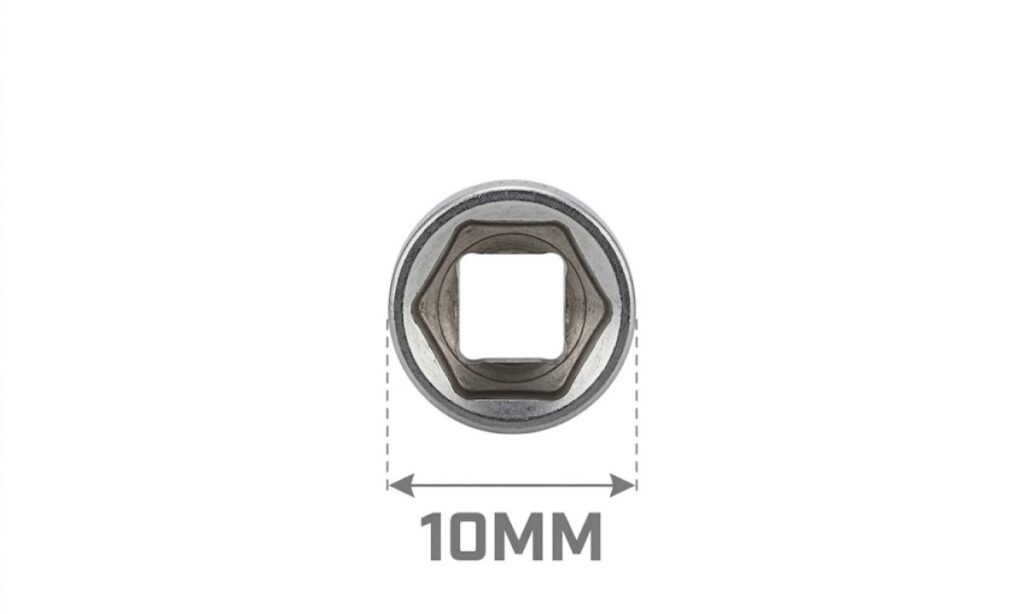
Socket wrenches come in a range of sizes to fit different bolts and nuts. An opening that’s 10mm Big is one of the most commonly used sizes in home and auto repair. It fits a wide variety of standard hardware.
Mechanics often reach for this size first because of how frequently it’s needed. Having a 10mm Big socket in your toolkit saves time on countless repair jobs. It’s considered a must-have for any basic tool collection.
Earbud Tip Diameter
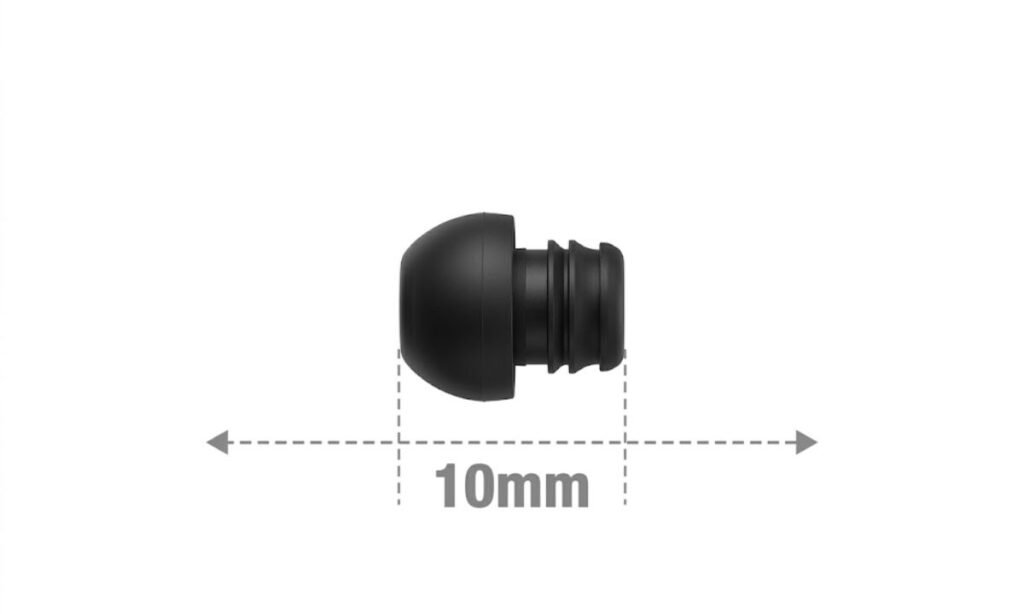
Earbud tips need to match ear canal size for comfort and sound quality. A tip that’s 10mm Big is generally suited for medium to large ear canals. Getting this size right improves noise isolation significantly.
Many earbud manufacturers include multiple tip sizes in the box for this reason. If your default tips feel loose, trying a 10mm Big option might solve the problem. Comfort and audio performance both depend on this small adjustment.
USB Cable Thickness
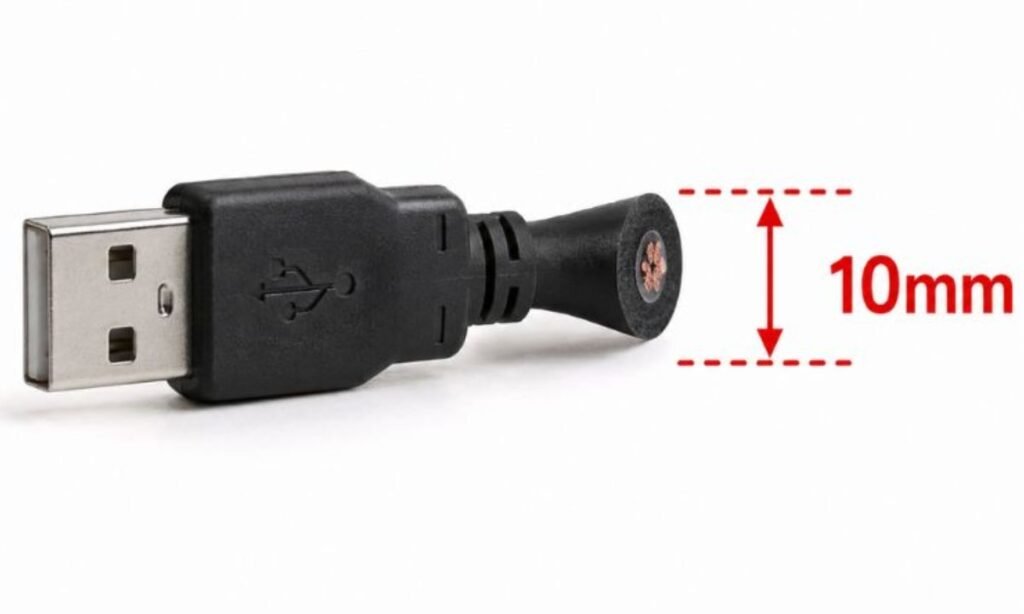
USB cables vary in thickness depending on their build quality and shielding. A cable measuring 10mm Big around the connector area is considered fairly substantial. Thicker cables often last longer under daily wear.
Durability-focused buyers tend to look for cables with sturdier builds. Choosing a 10mm Big cable can mean better protection against fraying and damage. It’s a small spec that reflects overall product quality.
Watch Crown
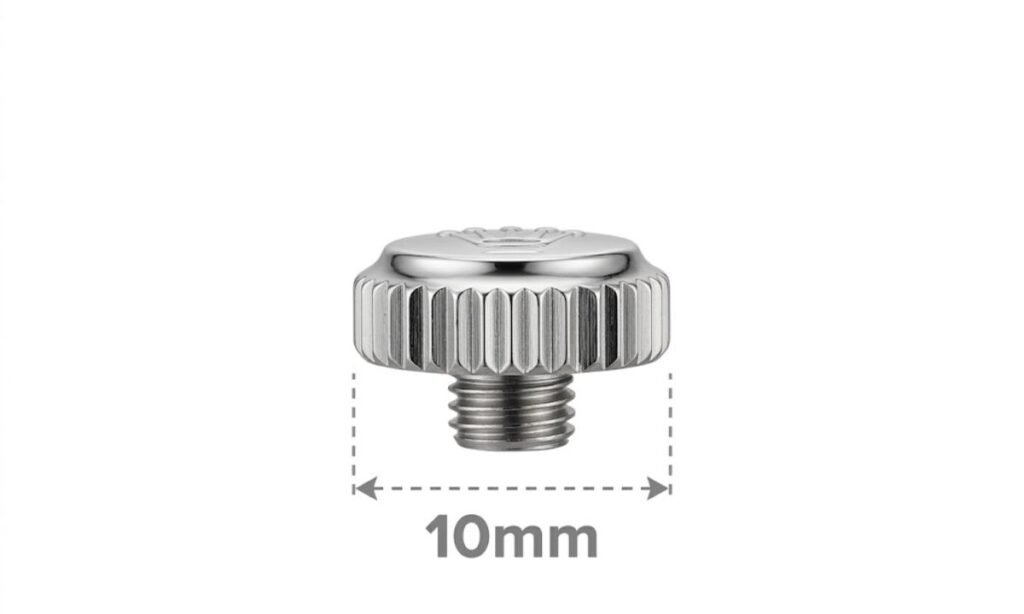
The crown on a wristwatch is used to set the time and wind the mechanism. A crown that’s 10mm Big offers a comfortable grip for adjusting settings. Larger crowns are easier to handle, especially for older users.
Watchmakers balance size with aesthetics when designing this component. A 10mm Big crown looks proportionate on most standard watch faces. It’s functional design that doesn’t sacrifice style.
Ring Band Width
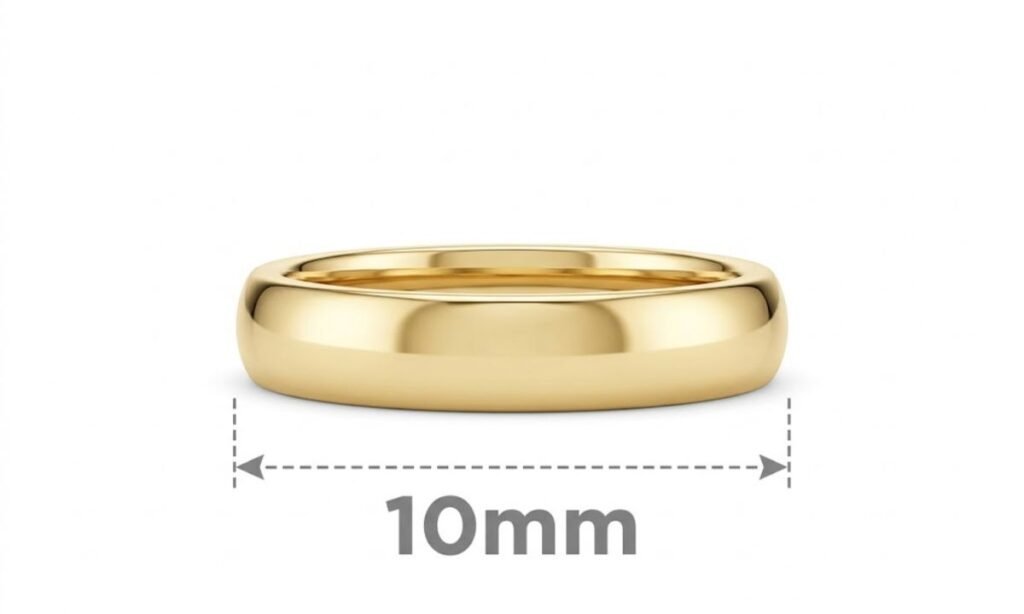
Ring bands come in various widths depending on style and comfort preference. A band that’s 10mm Big is considered wide and makes a bold statement. These are popular for men’s rings and statement pieces.
Jewelers often recommend trying on wider bands before committing to a size. A 10mm Big ring band feels different on the hand compared to thinner options. It’s worth testing in person for the right fit.
Small Marble
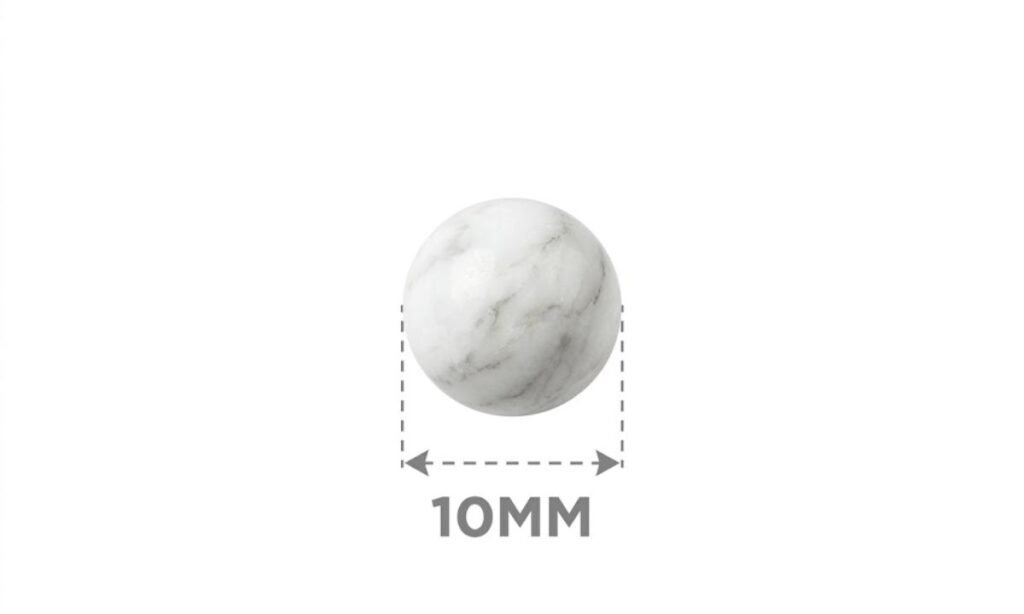
Marbles used in games and decor come in a range of classic sizes. A marble around 10mm Big is a common choice for traditional marble games. It’s small enough to handle easily but visible from a distance.
Collectors often categorize marbles by size for organizing sets. A 10mm Big marble fits comfortably in most standard game pouches and boards. It’s a nostalgic size that many people recognize instantly.
Conclusion ✅
Understanding 10mm big doesn’t require fancy tools or a physics degree — just a few reliable comparisons like a pencil eraser, a shirt button, or a small marble.
Whether you’re comparing the 10mm cartridge against a 9mm for ballistics, picking the right hard-cast bear load, or simply trying to visualize a craft bead, this single measurement pops up constantly across everyday life, hardware, and firearms alike. 🎯
Next time someone asks how 10mm big really is, you’ll have a whole toolbox of real-world comparisons ready to go — no ruler necessary. 📐
Frequently Asked Questions ❓
How big is 10mm compared to an inch?
10mm is approximately 0.39 inches, just under half an inch on a standard tape measure.
Is 10mm bigger than 9mm?
Yes, 10mm is physically larger, roughly 0.045 inches wider in diameter than a 9mm bullet or object.
What everyday object is closest to 10mm big?
A pencil eraser, a medium craft bead, or a small marble are all excellent close comparisons.
Is the 10mm cartridge more powerful than 9mm?
Yes, the 10mm Auto generally produces significantly more muzzle energy and velocity than the 9mm Parabellum.
Is 10mm ammo good for bear defense?
Yes, especially heavy hard-cast loads from brands like Buffalo Bore and Grizzly Cartridge Company, designed for deep penetration.
How many millimeters are in a centimeter?
There are exactly 10 millimeters in 1 centimeter, making 10mm equal to 1cm.
