

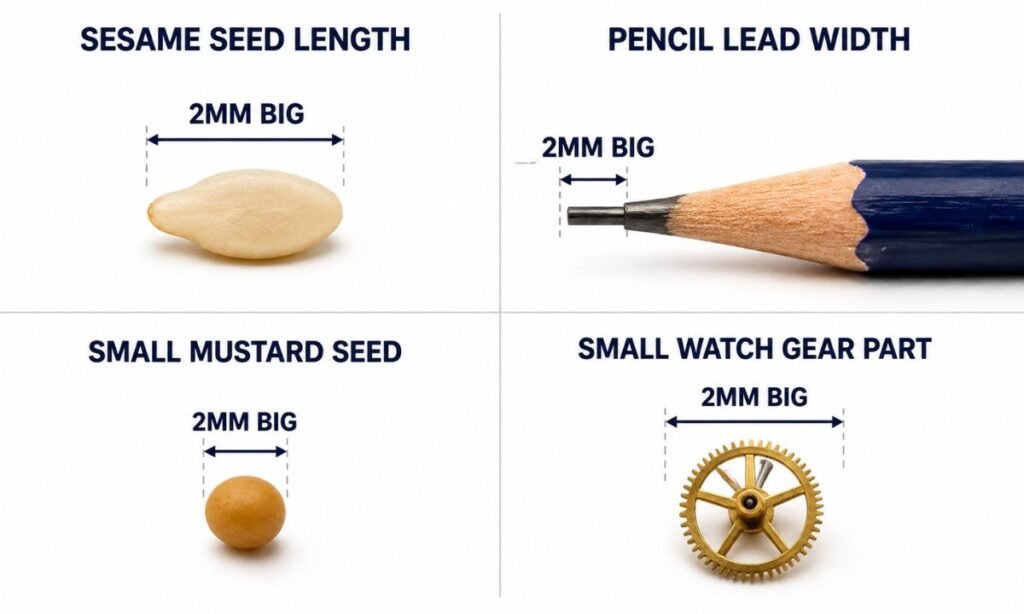
Have you ever stopped to wonder just how 2mm big something really is? It’s one of those measurements that sounds simple on paper but becomes surprisingly tricky the moment you try to picture it in real life.
Whether you’re shopping for jewelry, working on a craft project, or just curious, understanding what “2mm big” actually looks like can save you time, money, and guesswork. 🧵
This guide breaks down everything you need to know about 2mm — from exact conversions to real-world comparisons — so you never have to squint at a ruler again.
By the end, you’ll be able to picture 2mm objects instantly, without any tools at all. ✨
How Big Is 2mm? 🔍
When people ask “how big is 2mm,” they’re usually trying to connect a technical unit to something they can actually picture.
In simple terms, 2mm big means something is roughly the width of a pencil tip or the thickness of a coin standing on its edge. It’s small enough to require a second glance, but large enough to be clearly visible without a magnifying glass.
To put it another way, a 2mm object sits right in that tricky in-between zone — bigger than a grain of sand, but noticeably smaller than a pea or a button.
This is exactly why so many people search for visual comparisons instead of just numbers. Once you anchor 2mm to something tangible, like a sesame seed or a tiny bead, the measurement finally clicks and stops feeling abstract. 🌱
2mm in Inches 📐
If you’re more comfortable with imperial units, converting 2mm big to inches makes things much clearer. Two millimeters equals approximately 0.0787 inches, which rounds out to almost exactly 1/12 of an inch.
That’s a fraction most people don’t use daily, which is part of why 2mm big measurements can feel confusing at first glance.
For quick mental math, just remember that 2mm is a little less than one-tenth of an inch.
This conversion matters a lot in fields like jewelry making, electronics, and woodworking, where a 2mm tolerance can be the difference between a part fitting perfectly or not fitting at all.
Keeping this simple inch conversion in your back pocket makes shopping and DIY projects far less stressful. 🛠️
What Is 2mm in cm? 📊
Converting between millimeters and centimeters is one of the easiest metric calculations, yet it trips people up constantly. Since there are 10mm in every centimeter, a 2mm big object simply equals 0.2cm. That’s it — no complicated math involved.
This tiny conversion becomes especially useful when you’re reading product listings or spec sheets that mix units inconsistently.
Some listings describe a 2mm big item in millimeters, others in centimeters, and knowing that 2mm equals 0.2cm instantly helps you compare products accurately.
It’s a small detail, but it prevents costly ordering mistakes, especially when buying jewelry components or craft supplies online. 💎
2mm on a Ruler 📏
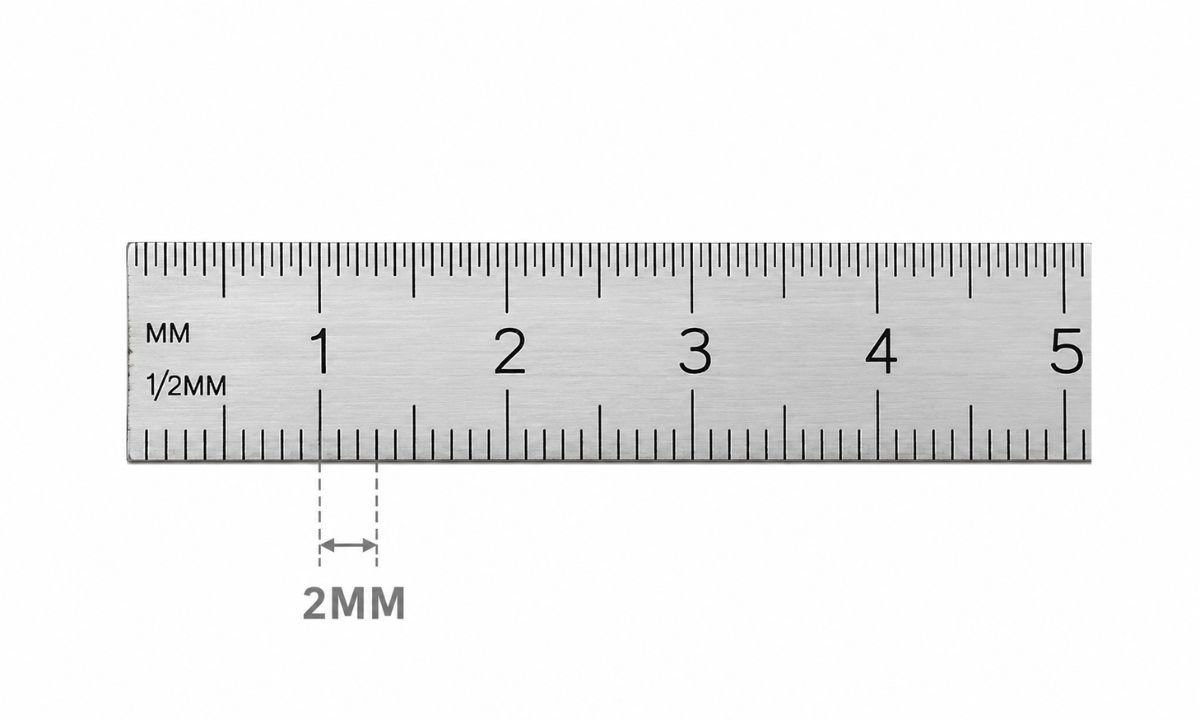
Finding 2mm big on a standard ruler is easier than most people expect once you know where to look.
On a metric ruler, every small line between the larger centimeter marks represents 1mm, so 2mm is simply the second tiny line after any centimeter marker. It’s a narrow gap, but it’s completely visible to the naked eye.
If you only have an inch-based ruler handy, don’t worry — 2mm still has a spot. Since 2mm equals roughly 0.08 inches, you’ll find it just shy of the 1/16-inch mark.
Practicing this a few times with an actual ruler trains your eye to recognize 2mm instantly, even without measuring tools nearby. 📐
Ways to Estimate 2mm Without a Ruler 🙌
Not everyone carries a ruler around, and honestly, you don’t need one to estimate something that’s 2mm big. Everyday objects make excellent stand-ins once you know what to compare them against.
A coin’s edge, a pencil tip, or even a grain of rice cut in half can all help you visualize this measurement on the fly. 🪙
Here are some quick, tool-free ways to estimate a 2mm big object:
- Nickel edge trick: A US nickel is about 1.95mm thick — turn it sideways for an almost perfect 2mm reference.
- Pencil lead comparison: Standard pencil graphite is close to 2mm wide.
- Fingernail method: Your fingernail’s edge thickness stacked twice gets you close to 2mm big.
- Paper stack test: Roughly 10 sheets of regular printer paper stacked together approximate 2mm.
- Seed comparison: A mustard seed or sesame seed offers a natural, organic 2mm reference point. 🌾
Quick Comparison Table 📋
Sometimes a visual chart communicates a 2mm big measurement faster than any explanation. Below is a simple reference table comparing 2mm to common everyday items people already recognize.
Keep this handy the next time you need a fast size check. 📌
| Object | Approximate Size | Feels Like |
| Sesame Seed | ~2mm | Natural everyday reference |
| Pencil Lead | ~2mm wide | Common stationery item |
| Small Jewelry Bead | ~2mm diameter | Delicate accessory piece |
| Grain of Rock Salt | ~2mm | Kitchen pantry item |
| US Nickel Edge | ~1.95mm | Coin thickness |
| Mustard Seed | 1–2mm | Spice jar staple |
This table proves that a 2mm big object doesn’t have to be rare or hard to find — it’s hiding in plain sight all around your home. 🏠
Sesame Seed Length 🌰
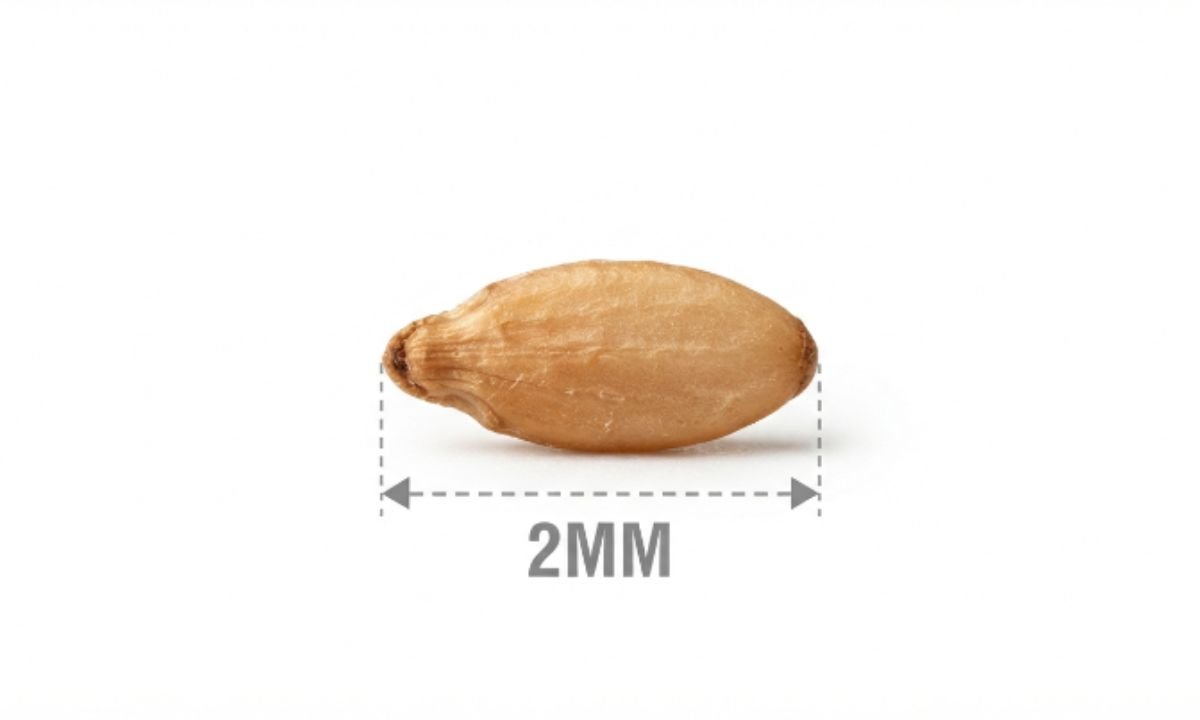
A single sesame seed is one of the most relatable examples of something 2mm big, and it’s likely sitting in your kitchen right now.
Its oval shape and consistent length make it a near-perfect natural ruler for this exact measurement. Next time you sprinkle seeds on a burger bun, take a closer look — that’s 2mm in action.
Sesame seeds work so well as a comparison because they’re uniform and easy to find worldwide.
Unlike synthetic objects that vary by manufacturer, a sesame seed’s 2mm length stays fairly consistent across different types and brands, making it a reliable go-to visual whenever you need a quick mental size check. 🥖
Pencil Lead Width ✏️
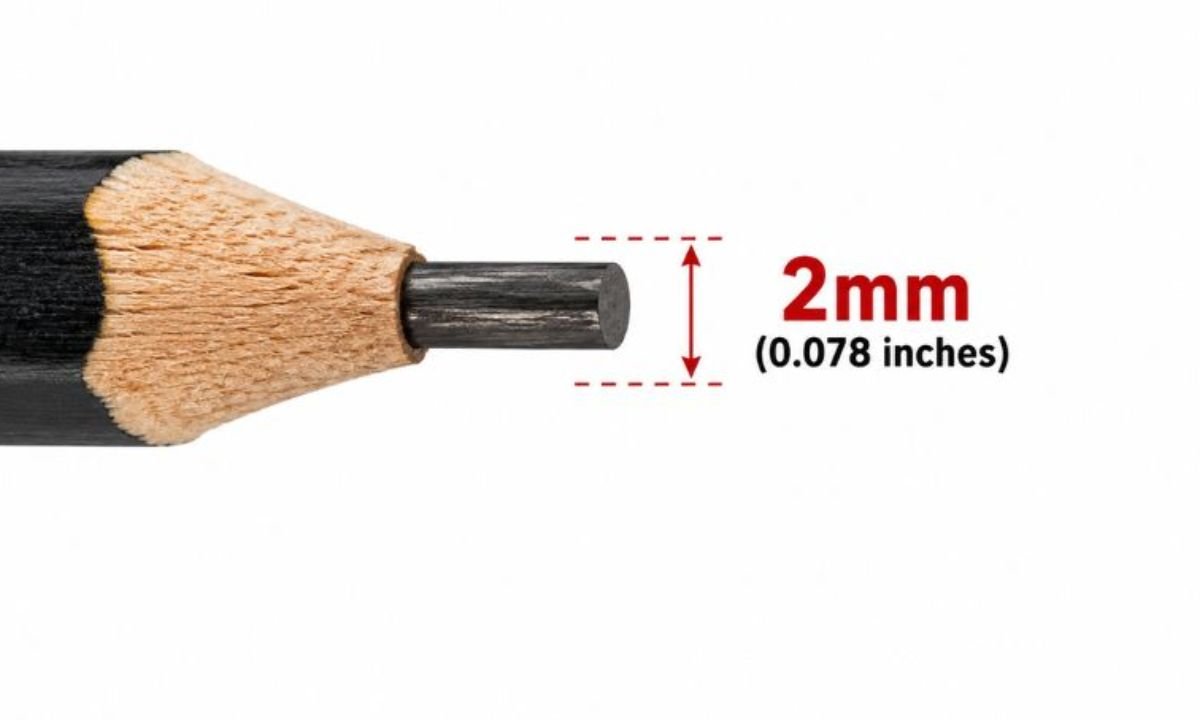
The graphite core of a standard pencil is another classic 2mm big comparison that almost everyone has access to.
Break a pencil in half or look closely at a sharpened tip, and you’ll notice the dark center is remarkably close to this measurement. It’s tactile, familiar, and instantly recognizable.
This comparison is especially popular among students and hobbyists because pencils are everywhere.
Whenever someone struggles to picture a 2mm object, pointing to pencil lead usually resolves the confusion instantly, since it’s a texture and width people already handle daily without thinking twice. ✍️
Small Jewelry Bead 💍
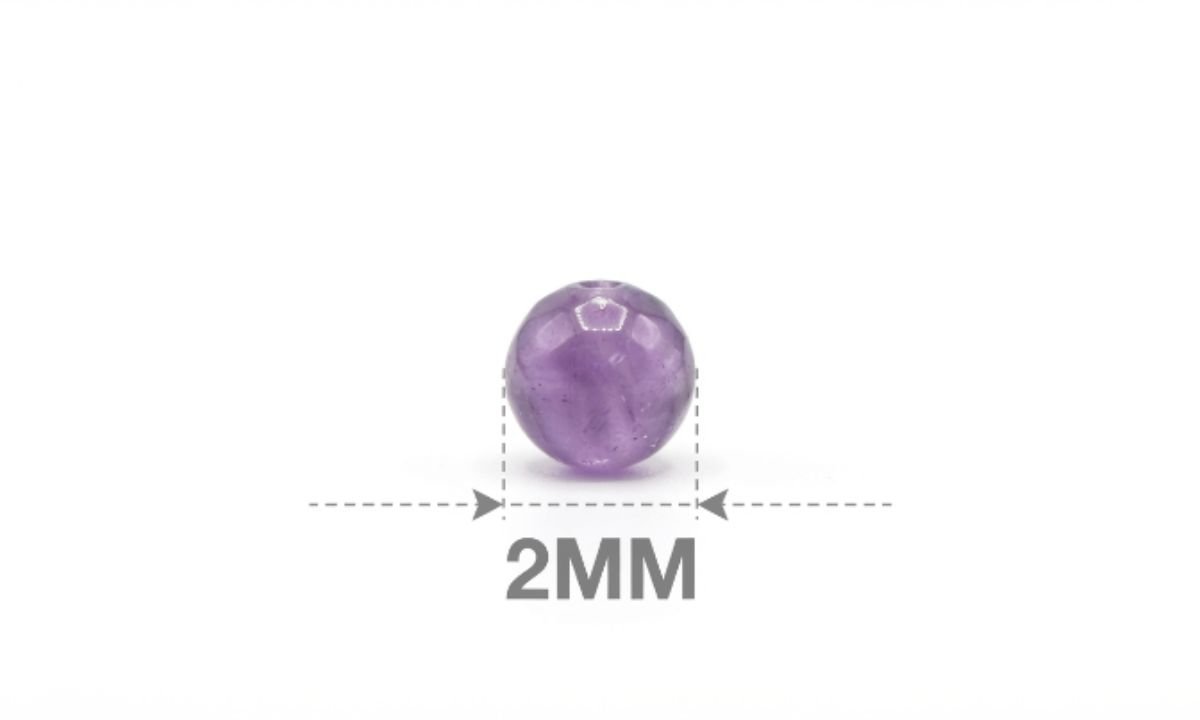
In the world of beading and jewelry making, a 2mm big bead is considered extremely delicate and fine.
These tiny beads are often used in intricate pavé settings, seed bead patterns, and detailed accent work where subtlety matters more than boldness. Crafters specifically search for 2mm sizing when they want a refined, understated look.
Because jewelry supply listings frequently use millimeter sizing, understanding what a 2mm bead actually looks like helps shoppers avoid ordering the wrong quantity or size online.
It’s small enough to require careful handling with tweezers, yet substantial enough to create beautiful detailed patterns when strung together. 💫
Grain of Rock Salt 🧂
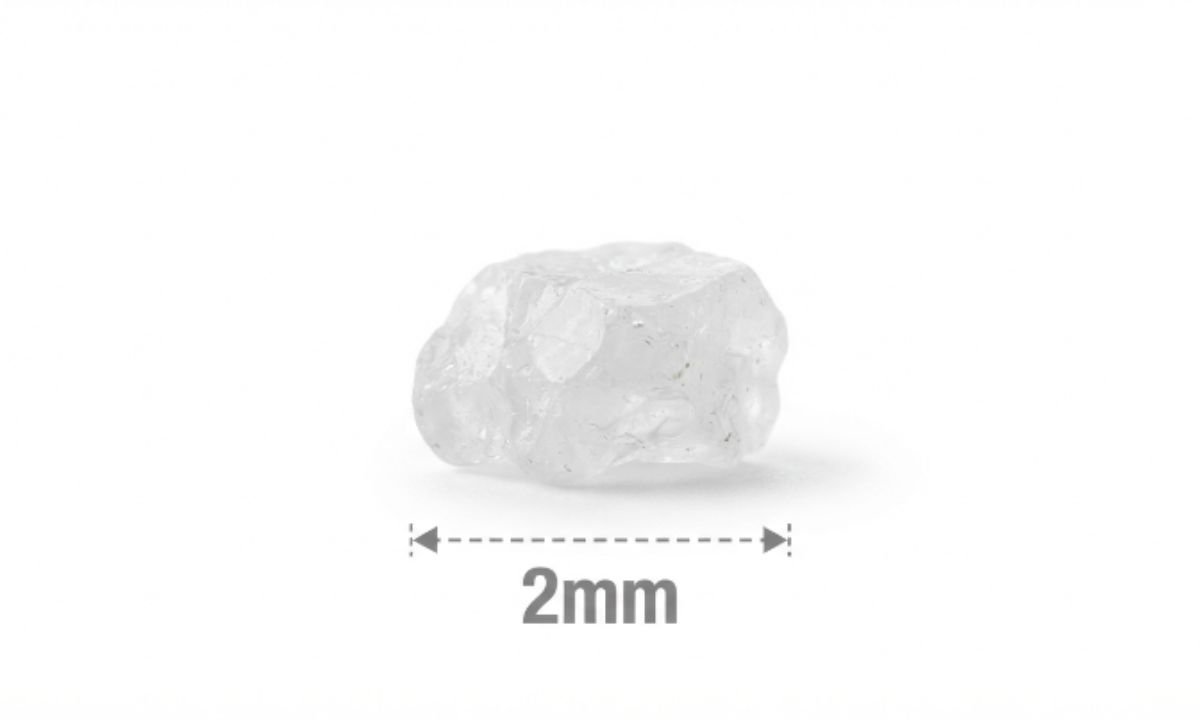
Rock salt crystals vary quite a bit in size, but many individual grains land right around 2mm big, especially coarser culinary or bath-salt varieties.
This makes rock salt a fun, tactile comparison you can literally hold between your fingers at the dinner table. It’s an easy way to explain the measurement to kids or beginners.
Because salt grains are naturally irregular, they also demonstrate that 2mm isn’t always a perfect geometric shape — sometimes it’s a rough, organic approximation, and that’s perfectly normal when estimating real-world sizes. 🍽️
Mechanical Pencil Tip 🖊️
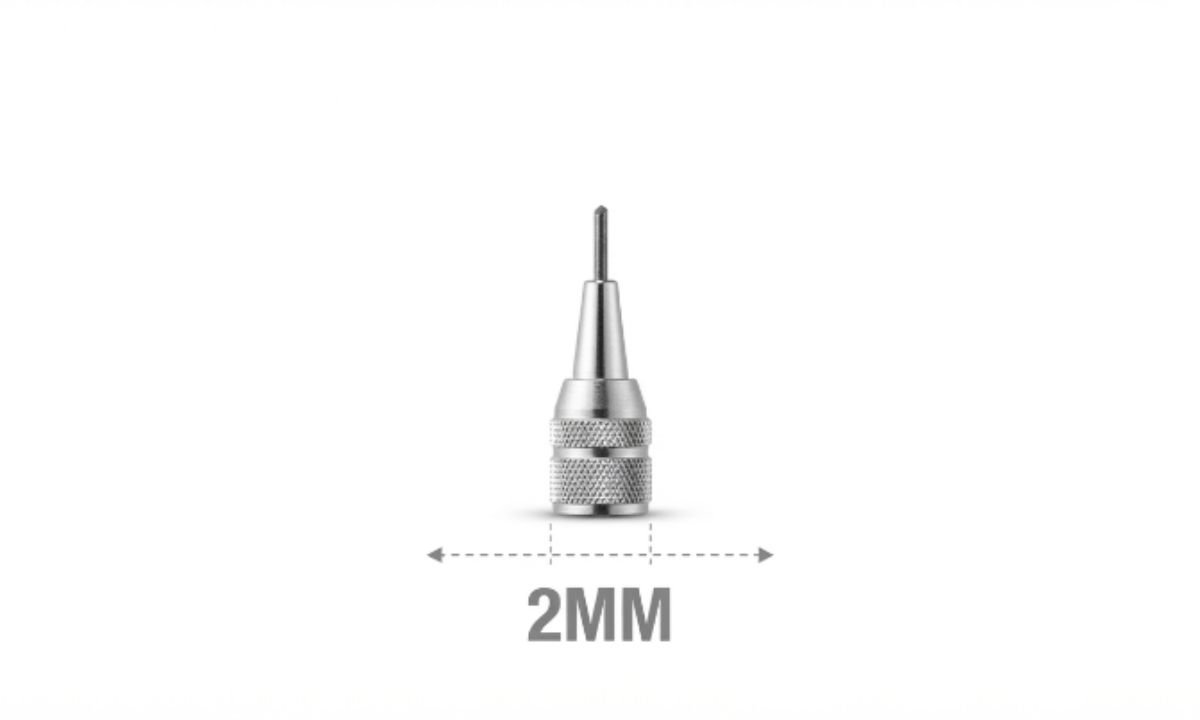
Unlike wooden pencils, mechanical pencil leads come in standardized sizes, and the thicker 2mm lead variety is popular among artists and drafters.
This 2mm big lead size is prized for sketching, shading, and technical drawing because it holds up well without breaking as easily as thinner 0.5mm or 0.7mm options.
Because these leads are manufactured to precise tolerances, they offer one of the most accurate real-world 2mm references available. If you want a dependable, exact comparison rather than an estimate, a mechanical pencil lead is hard to beat. 🎨
Tiny Screw Head ⚙️
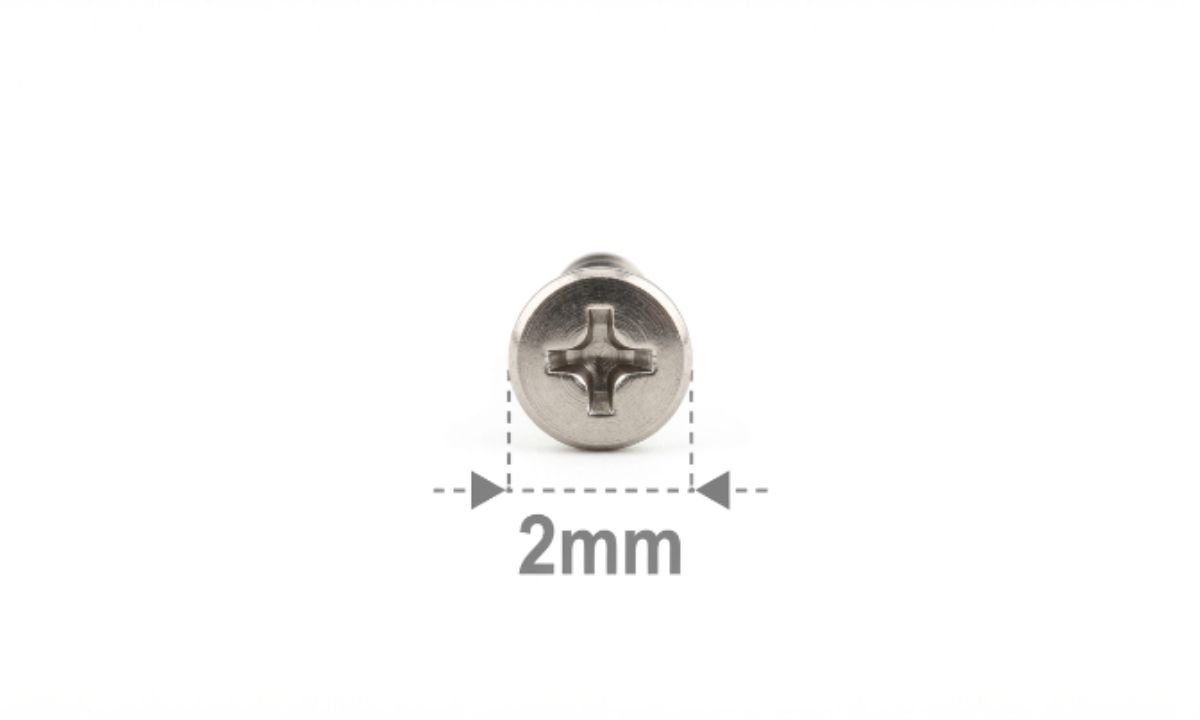
In electronics repair and small appliance assembly, screws with a 2mm big head diameter are extremely common.
These miniature fasteners hold together everything from eyeglass frames to smartphone components, requiring specialized precision screwdrivers to handle safely.
Because these screws are so small, losing one can be a real headache — literally, in the case of eyeglasses.
Recognizing that these tiny hardware pieces are 2mm helps repair technicians and hobbyists select the correct replacement parts without guesswork. 🔧
Small Mustard Seed 🌿
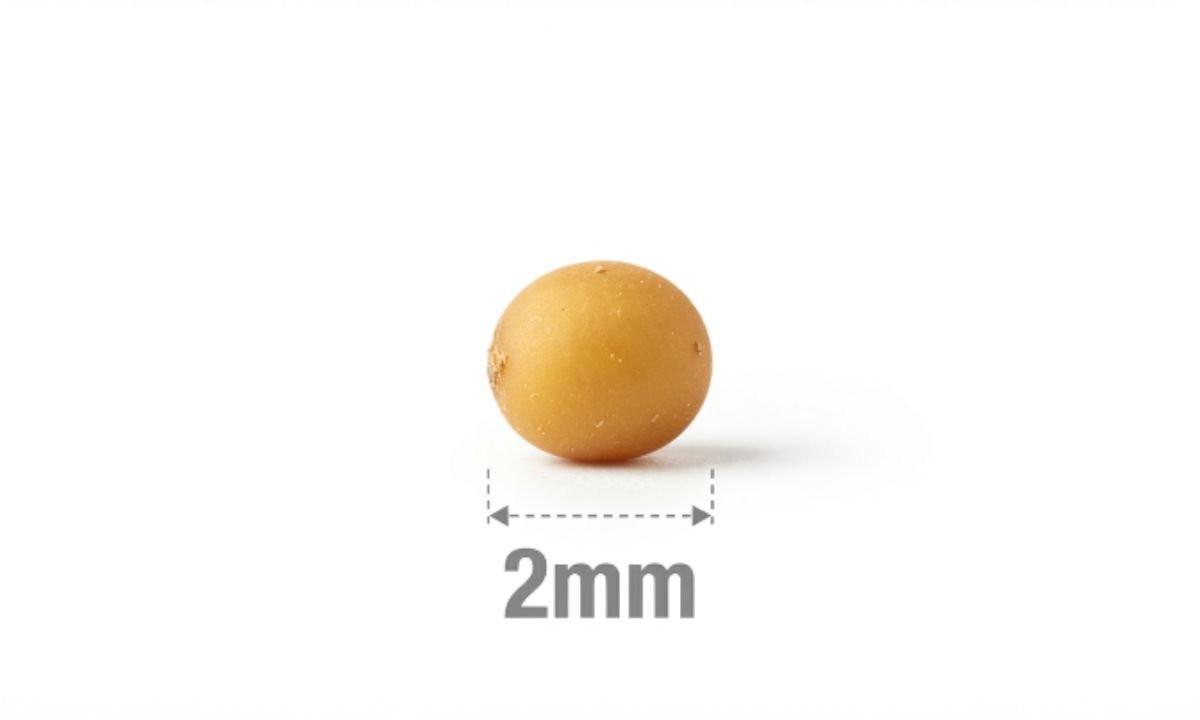
Mustard seeds typically range between 1mm and 2mm in diameter, making them another kitchen-based reference for this measurement.
Their round, compact shape offers a slightly different visual than an elongated sesame seed, giving you another angle on the same 2mm big concept.
Beyond their size, mustard seeds are a nice reminder that small measurements can pack a big punch — much like how a 2mm big adjustment in engineering or design can significantly change a final product’s fit and function. 🌶️
Earphone Wire Thickness 🎧
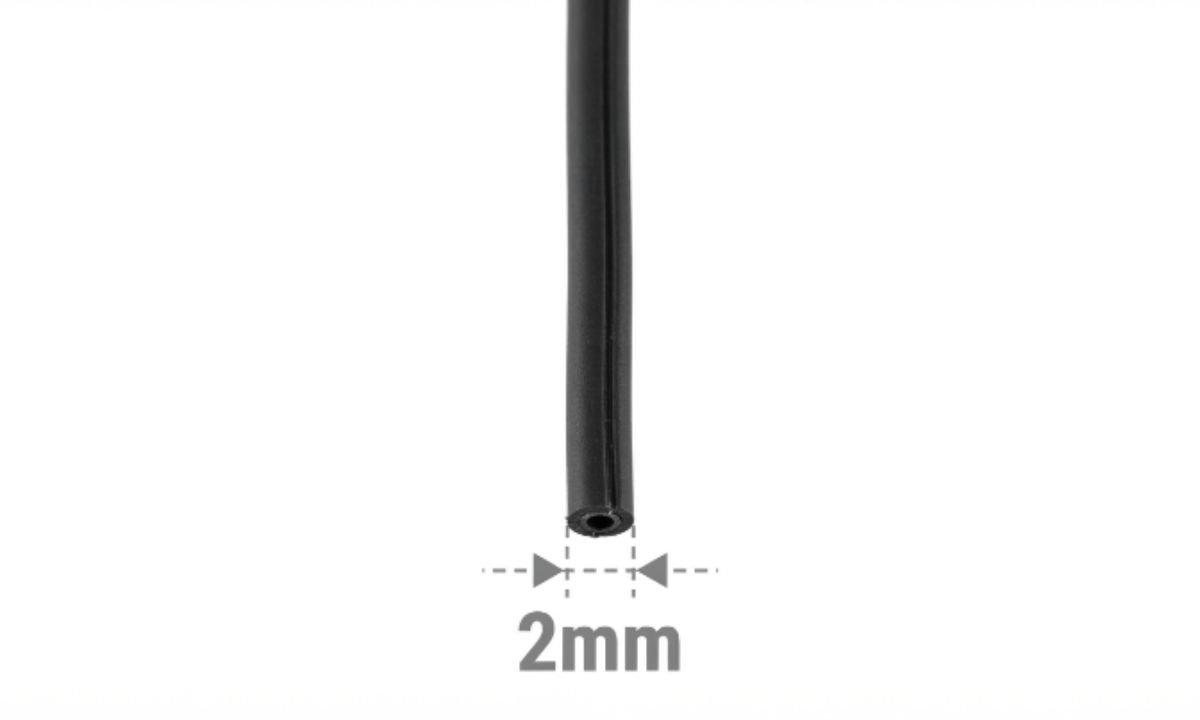
Many standard earphone cables measure close to 2mm big in diameter, especially non-braided consumer models.
This thickness balances durability with flexibility, allowing the wire to bend repeatedly in your pocket or bag without snapping prematurely.
Next time you untangle your earphones, take a second to notice the cable’s width — that everyday frustration is actually a solid real-world demonstration of what 2mm feels like between your fingers. 🎶
Thin Craft Foam Sheet 🎨
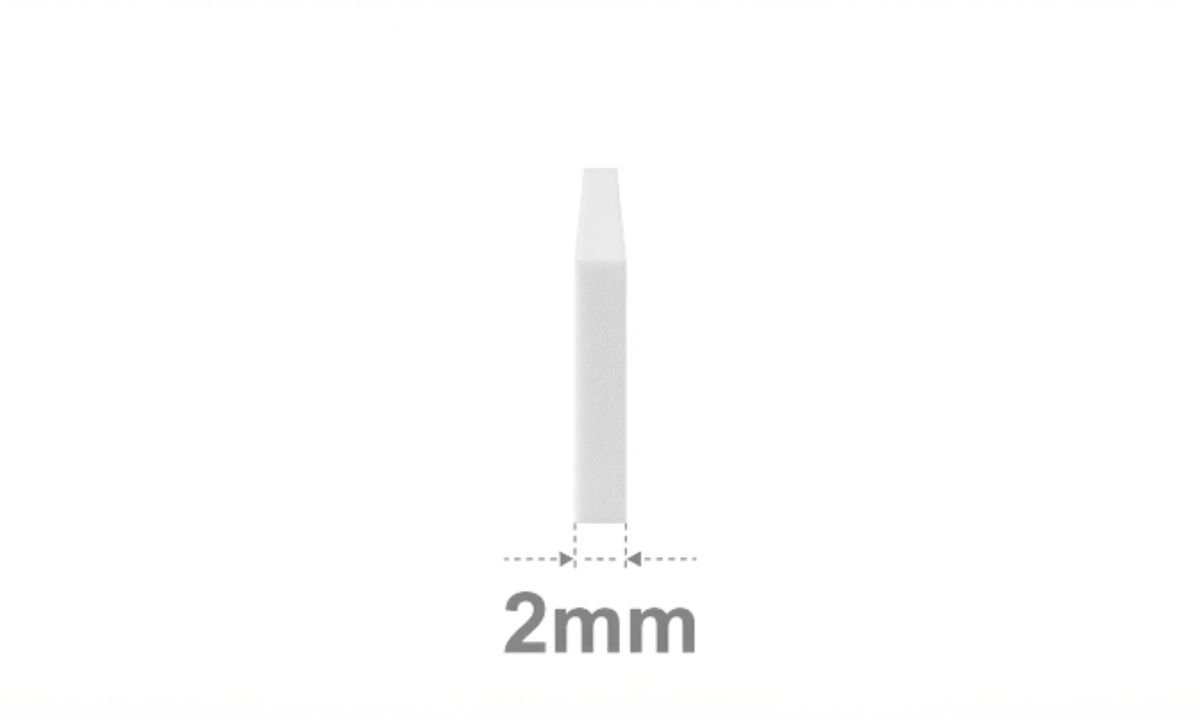
Craft foam sheets used for scrapbooking, kids’ projects, and DIY décor often come in 2mm big thickness options.
This particular thickness is popular because it’s flexible enough to cut easily with scissors while still holding its shape once assembled.
For crafters, knowing that a sheet is 2mm helps predict how it will behave — thin enough to layer multiple pieces, yet sturdy enough to stand up in 3D projects like foam flowers or puzzle pieces. 🧩
Small Watch Gear Part ⌚
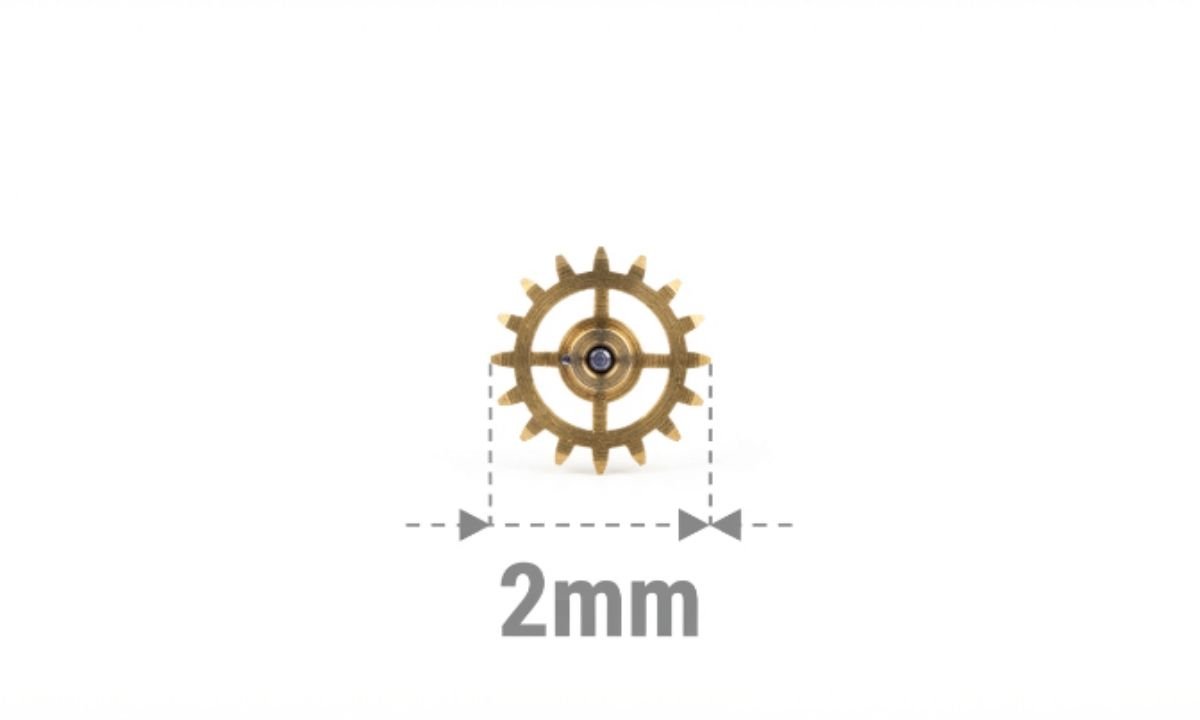
Inside mechanical watches, tiny internal gears and components are frequently measured in millimeters, with several small parts landing right around 2mm big.
Watchmakers rely on incredible precision, and even a fraction of a millimeter off can throw an entire mechanism out of sync.
This example highlights just how significant a 2mm measurement can be in high-precision industries. It’s a powerful reminder that “small” doesn’t mean “unimportant” — especially when timekeeping accuracy depends on it. ⏱️
Conclusion 🎯
Understanding what 2mm big really looks like doesn’t require fancy tools or complicated math — just the right everyday comparisons.
From sesame seeds to pencil leads to tiny jewelry beads, these familiar objects transform an abstract number into something you can instantly picture. 🌟
Whether you’re shopping online, tackling a craft project, or simply satisfying your curiosity, you now have a full toolkit for recognizing 2mm big objects anywhere you go.
The next time this measurement pops up, you won’t need a ruler — you’ll already know exactly how big 2mm really is. 🙌
Frequently Asked Questions ❓
Is 2mm big or small?
2mm big is considered small but clearly visible to the naked eye — roughly the width of a pencil tip.
How many inches is 2mm big?
A 2mm big measurement equals approximately 0.0787 inches, or about 1/12 of an inch.
What household item is 2mm big?
A sesame seed, mustard seed, or the edge of a US nickel are all great 2mm big comparisons.
Is 2mm bigger than 1cm?
No, 2mm big is much smaller than 1cm, since 1cm equals 10mm total.
How do I measure 2mm without a ruler?
Use a coin edge, pencil lead, or a folded paper stack to estimate something that’s 2mm big.
