

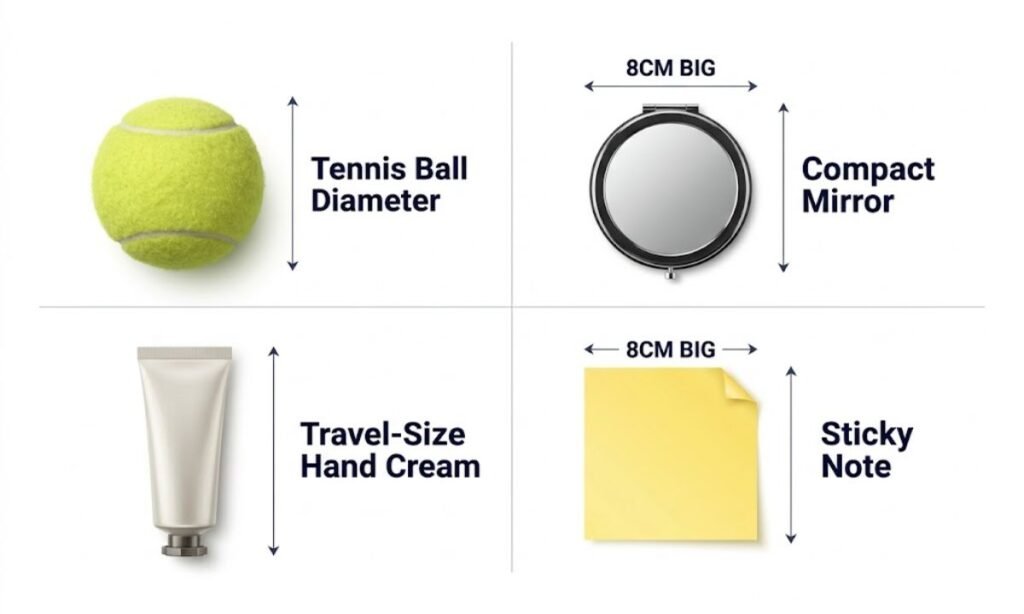
Ever stared at a product listing that says “8 cm” and had zero clue what that actually looks like? You’re not alone. Centimeters are easy to write down but hard to picture — especially if you grew up using inches and feet.
This 8cm Big visual guide breaks down exactly how large 8 centimeters really is by comparing it to everyday objects you already know and touch daily. 🧵
Whether you’re shopping online, following a recipe, sewing a project, or just curious, this guide will turn an abstract number into a clear mental picture. Let’s dive into the 8cm Big comparison world! 🔍
How Big Is 8cm? 📐
Let’s start with the basics. A centimeter is one-hundredth of a meter, and 8 centimeters equals:
| Unit | Equivalent |
| Millimeters | 80 mm |
| Inches | ≈ 3.15 inches |
| Feet | ≈ 0.26 feet |
| Meters | 0.08 m |
So when people ask “how big is 8cm,” the simplest answer is: it’s a little longer than 3 inches — roughly the width of an adult’s palm or the length of a standard AA battery and a bit more. 🔋
Thinking in 8cm Big terms means picturing something small enough to fit in your pocket, yet large enough to be clearly visible and useful — not tiny like a coin, but not long like a ruler either. It sits in that sweet spot of “handheld object” size. ✋
What Is 8 cm in Feet? 👣
If you’re used to imperial measurements, converting centimeters to feet can feel confusing. Here’s the simple math:
- 1 foot = 30.48 cm
- 8 cm ÷ 30.48 = 0.26 feet
In other words, 8 cm is roughly a quarter of a foot 🦶. That’s not a huge distance — it’s about the length of a smartphone’s short edge or a large kitchen spoon.
When you frame it this way, the 8cm Big measurement becomes instantly relatable: imagine a ruler, then picture just the first quarter of it.
How Big Is an 8 cm Tumor? 🩺
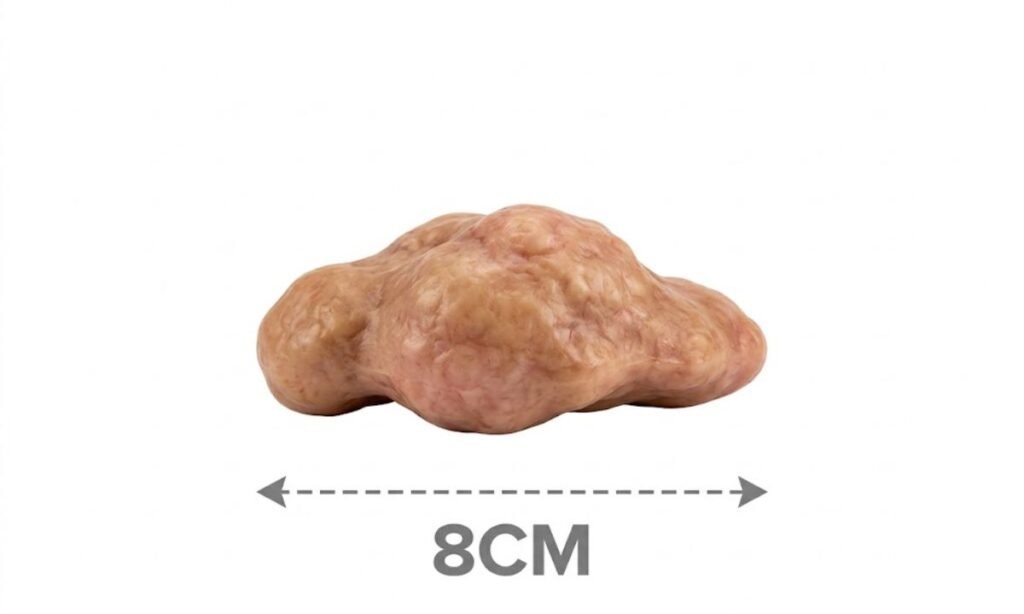
This is one of the most searched questions related to this measurement, and for good reason — medical size matters. An 8 cm tumor is considered large in clinical terms.
- It’s roughly the size of a peach or a small orange 🍑🍊
- It’s significantly bigger than a golf ball (about 4.3 cm)
- In breast or soft-tissue tumors, an 8 cm mass is generally classified in advanced staging categories
Doctors often use fruit or household object comparisons to help patients understand tumor size without needing a ruler in the exam room.
Picturing an 8cm Big tumor as “orange-sized” gives patients a much clearer, less clinical way to understand their diagnosis. Always consult a licensed physician for personal medical interpretation — this is general information only. 💬
Credit Card Width
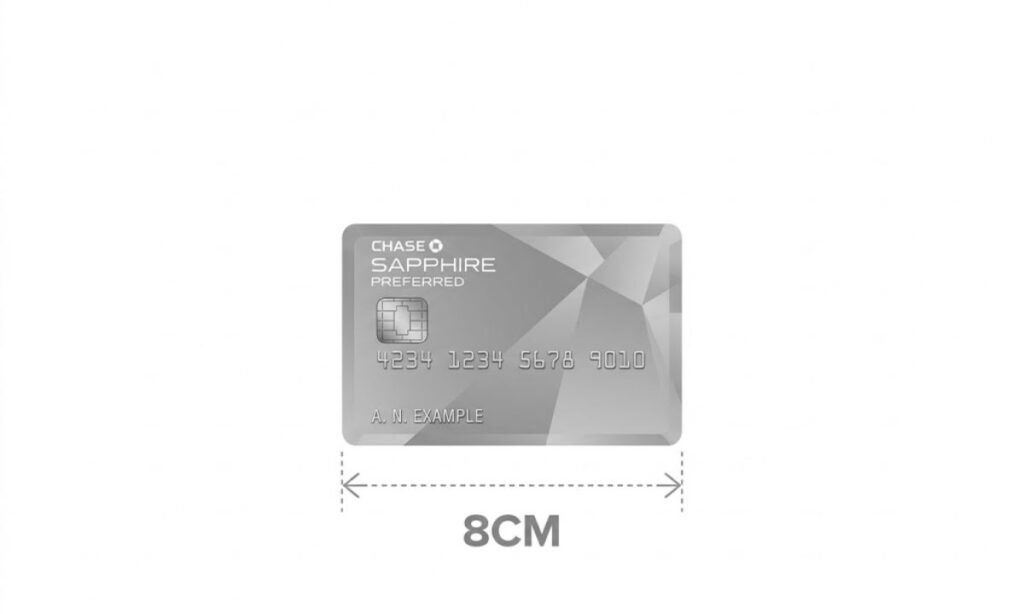
A standard credit card measures about 8.5 cm in width, making it one of the most familiar size references people use every day.
When comparing an item to an 8cm Big object, a credit card is nearly a perfect match, giving you an instant mental picture of the scale. Most wallets and card holders are designed around this exact measurement.
Because credit cards are carried by almost everyone, they serve as a universal benchmark for size comparisons.
If a product description says it’s roughly the same width as a card, you can immediately picture something close to 8cm Big in your hand. This makes it one of the easiest and most relatable references available.
Sticky Note
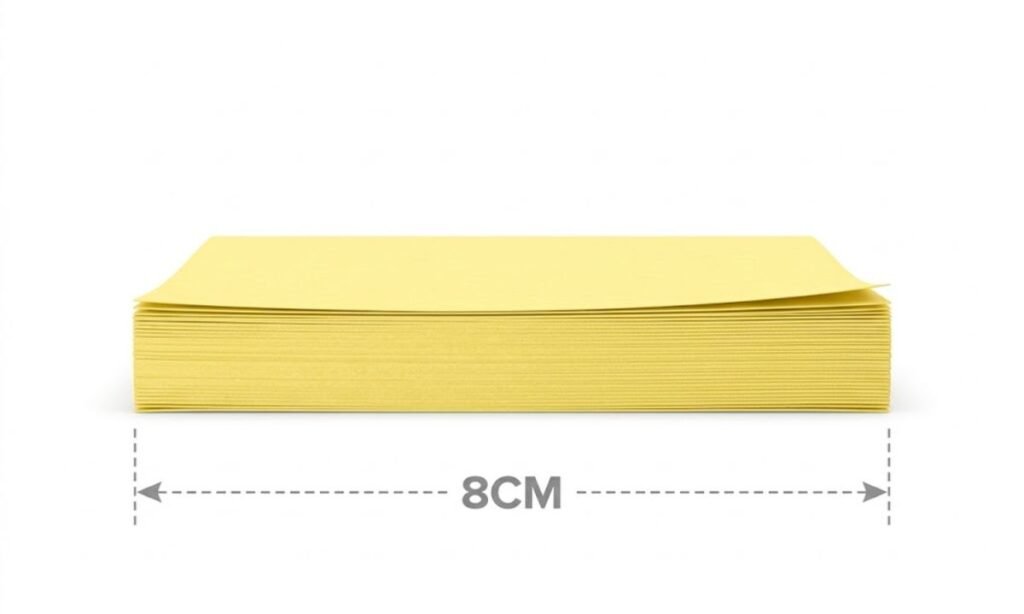
Classic sticky notes typically measure 7.6 cm by 7.6 cm, sitting just under the 8cm Big mark on each side. They’re a handy visual reference since nearly every desk or office has a stack nearby. Picturing a sticky note helps quickly estimate small, square-shaped objects.
When you stack two or three sticky notes together, the thickness starts to resemble other everyday items compared here.
Their bright colors and common presence make them a go-to mental ruler for anyone estimating something close to 8cm Big without needing an actual measuring tape.
Small Bar of Soap
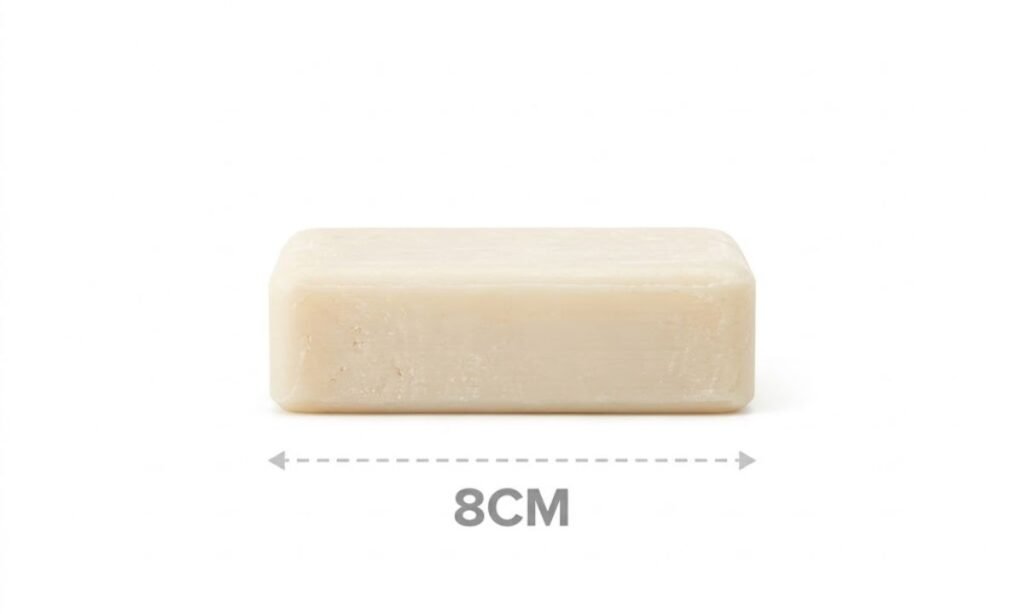
A small bar of soap, especially the guest or travel-size variety, often measures close to 8 cm in length.
This makes it a genuinely useful reference point for anything labeled 8cm Big, since the comparison feels natural and tactile. Most people have held one at some point in a hotel bathroom.
The rounded edges and compact shape of a small soap bar also help visualize objects that aren’t perfectly square or rectangular. Its size sits comfortably in the palm, giving a realistic sense of how an 8cm Big item would feel to hold or carry around.
Pocket Comb
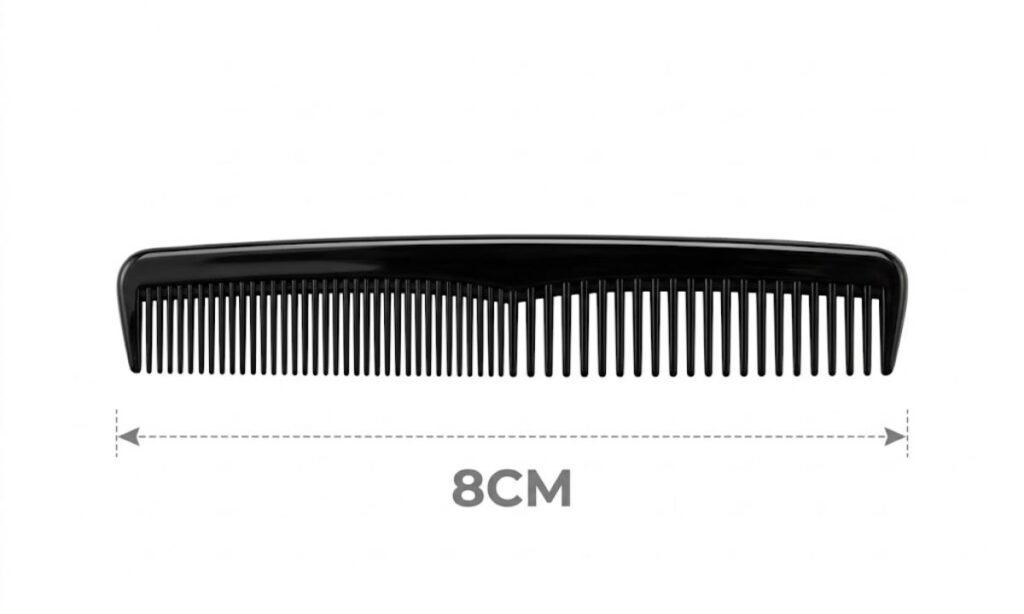
A standard pocket comb usually runs between 8 and 10 cm long, making it a close cousin to the 8cm Big measurement.
Slim, flat, and easy to picture, it’s a great reference for narrow or elongated objects. Almost everyone has seen or owned one at some point.
Its thin profile also helps when comparing depth rather than just length or width. If you’re trying to imagine how compact something 8cm Big truly is, picturing a pocket comb resting in your palm gives a quick and accurate sense of scale.
Tennis Ball Diameter
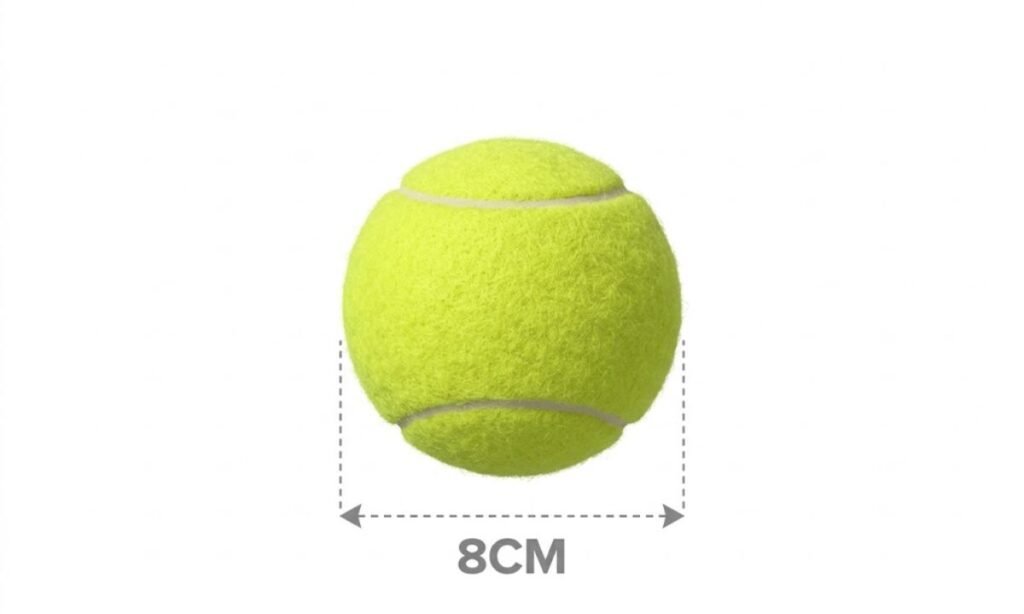
A regulation tennis ball has a diameter of about 6.7 cm, just a bit smaller than the 8cm Big benchmark used throughout this guide.
It’s round, familiar, and easy to visualize in three dimensions rather than flat measurements. Most people can recall its size instantly from sports or games.
Because it’s a sphere, the tennis ball is especially useful for comparing rounded objects rather than flat or rectangular ones. Adding just a bit more size mentally gets you very close to something 8cm Big, making it a handy round-object reference point.
Compact Mirror
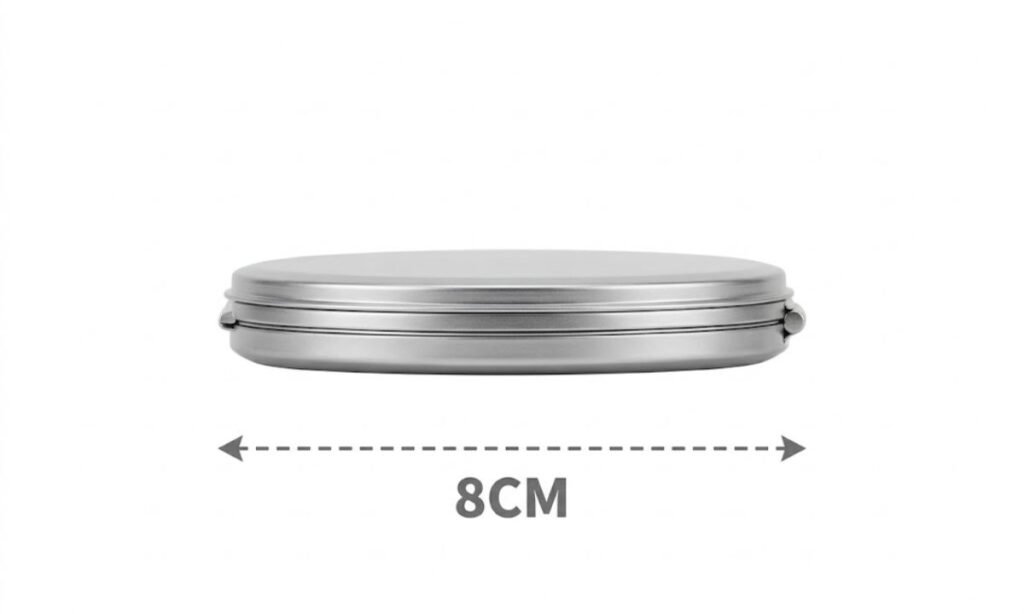
Compact mirrors, especially the round pocket-sized versions, often measure close to 8 cm across.
This makes them one of the more literal matches for something described as 8cm Big, particularly for circular or disc-shaped items. Many people carry one in a purse or bag.
The flat, thin design also helps when comparing thickness alongside width. Picturing a compact mirror open in your hand offers a clear, everyday sense of just how compact and manageable an 8cm Big object really is.
Glue Stick
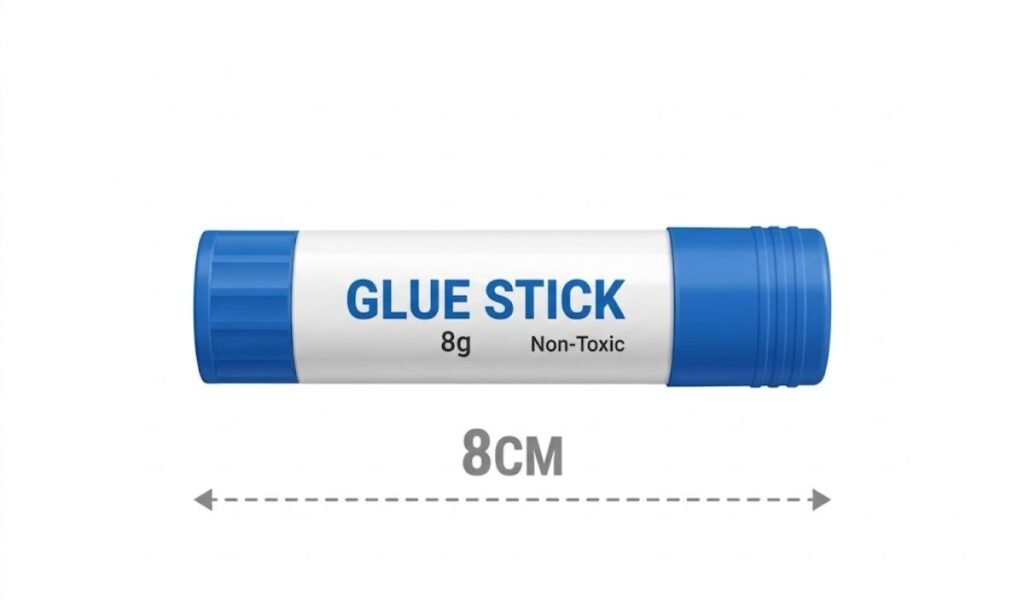
A standard glue stick is typically around 7 to 8 cm in exposed length when the cap is off, closely aligning with the 8cm Big reference size.
Its cylindrical shape makes it useful for comparing tube-like or rod-shaped objects. Most households and classrooms have one within easy reach.
The narrow diameter paired with that length gives a good sense of proportion for elongated items. When picturing something 8cm Big, imagining a glue stick standing upright offers a simple and accurate visual anchor.
Small Toy Car
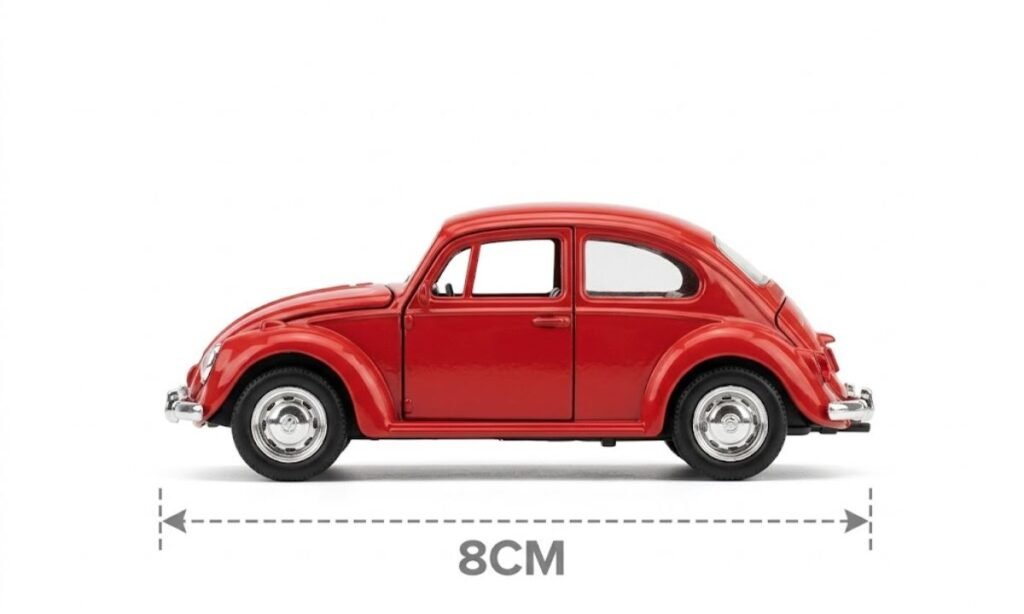
Many die-cast or small plastic toy cars measure roughly 7 to 8 cm in length, putting them right in line with the 8cm Big comparison.
Their familiar shape, seen in childhood collections everywhere, makes them an easy mental reference. Most people can instantly picture one sitting in their palm.
Beyond length, toy cars also help visualize height and width together, since they aren’t flat like paper-based comparisons. This three-dimensional quality makes them one of the more well-rounded references for imagining something 8cm Big from multiple angles.
Tea Light Candle Holder
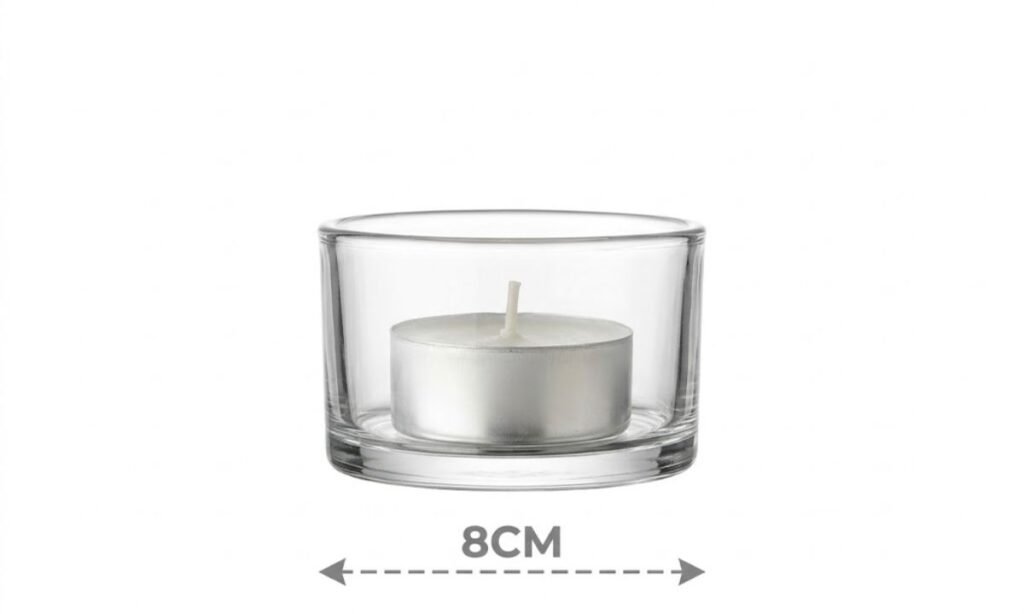
A typical tea light candle holder measures around 6 to 8 cm across, making it a solid visual match for the 8cm Big benchmark.
Its short, round shape is easy to picture sitting on a table or shelf. These holders are common in homes, making the comparison instantly relatable.
The compact height paired with the wider base also helps when imagining squat, low-profile objects. If you’re picturing something 8cm Big that’s more wide than tall, a tea light holder captures that proportion nicely.
Travel-Size Hand Cream
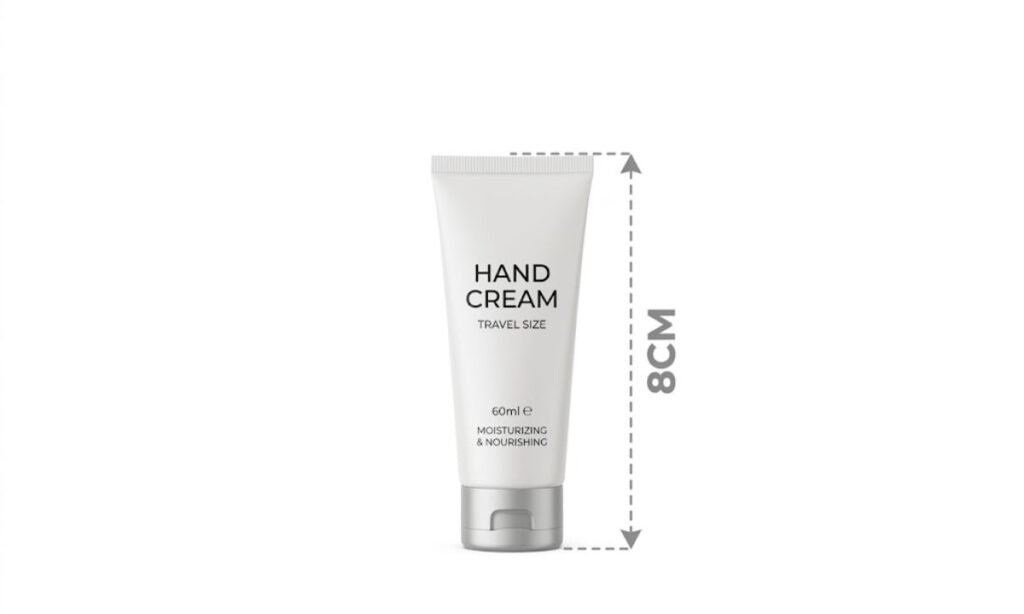
Travel-size hand cream tubes are often around 7 to 8 cm tall, making them a fitting comparison for the 8cm Big measurement used here.
Their slim, portable design is instantly familiar to anyone who has packed a toiletry bag. This makes them a practical, real-world size reference.
Since they’re meant to fit in small spaces like purses or carry-on bags, they also help illustrate how compact an 8cm Big item can be while still being functional. It’s a size small enough to travel with, yet substantial enough to notice and use comfortably.
Conclusion 🎯
Understanding how big 8 centimeters really is doesn’t require complicated math — just familiar, everyday objects. From a credit card’s length to a tennis ball diameter, the 8cm Big comparison method makes measurements instantly relatable.
Whether you’re evaluating a medical measurement like tumor size, converting to feet, or just trying to picture a product before buying it online, these visual references take the guesswork out of the equation. 🙌
Next time you come across an “8 cm” measurement, you won’t need a ruler — you’ll already have a mental picture ready to go. That’s the real value of thinking in 8cm Big terms. 💡
Frequently Asked Questions ❓
How big is 8cm compared to an inch?
8 cm equals approximately 3.15 inches, so it’s a little longer than 3 inches. 📏
What is 8 cm in feet exactly?
8 cm converts to roughly 0.26 feet, which is about a quarter of a foot. 🦶
Is an 8 cm tumor considered large?
Yes, an 8 cm tumor is generally classified as large in most medical staging systems. 🩺
What household item is closest to 8cm?
A credit card’s length (8.56 cm) or a glue stick are both close, everyday 8cm Big examples. 💳
How many millimeters are in 8 cm?
There are 80 millimeters in 8 centimeters, since 1 cm equals 10 mm. 📐
Is 8 cm bigger than a tennis ball?
Yes, 8 cm is slightly larger than a tennis ball’s diameter of about 6.5–6.9 cm. 🎾
